


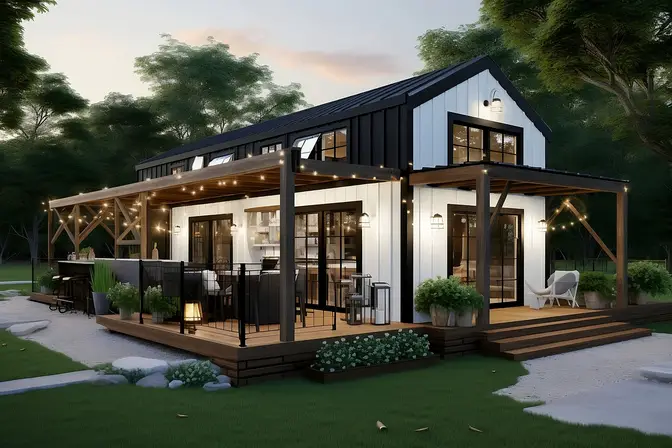
Barndominiums, often called “barndos,” have taken the housing market by storm. Being an innovative housing solution that provides both the sturdiness of a storage barn and the comfort of a conventional home, the popularity of these homes has surged. Known for their spacious open floor plans and versatility, barndominiums offer a unique living experience.
Barndominiums are just one type of housing available for individuals or families to call home. In this blog, we will learn about Barndominiums, why they are trendy, how long it takes to build a barndominium, and more!
What is a Barndominium?
A barndominium, or “barndo,” is a portmanteau of “barn” and “condominium,” but this term has evolved to define a type of residence that combines living spaces with workspaces or storage typically associated with a barn. These comfortable living spaces have wide-open floor plans, tall ceilings, and flexible layouts, including a garage, workshops, or even horse stalls.
These structures are often steel or wood-framed and can be customized extensively.
Why are Barndominiums So Popular Right Now?
The rise of barndominiums isn’t just a passing trend. Homeowners love them for their:
- Affordability: They’re generally cheaper per square foot than traditional homes.
- Durability: Steel and wood frames make them strong and weather-resistant.
- Flexibility: You can create a layout that perfectly fits your lifestyle.
- Speed of construction: Many prefab barndominium kits can be built in months, not years.
For many, a barndominium represents a modern, practical solution that merges function and style without the price tag of conventional housing.
How Long Does It Take to Build a Barndominium
Building a prefab barndominium kit takes 3-6 months. On the other hand, building one from scratch may take 9-18 months. From design to move-in, let’s take a closer look at the phases of barndominium construction.
- Planning and Design (1-6 months)
This is where it all begins. You’ll work on your floor plans, set a budget, and secure financing. The average cost of a barndominium typically ranges between $100 and $160 per square foot. If you want a high-end design with custom finishes, the price may exceed $200.
- Permitting and Approvals (1-3 months)
After finalizing your design, you’ll need local building permits and clear zoning regulations. This step varies by state and county. Rural areas usually process permits faster than urban zones. It is best to invest extra time here to handle any back-and-forth with local authorities.
- Site Preparation and Foundation (1-2 months)
Before the construction begins, your land must be cleared, leveled, and prepped for the foundation. Most barndominiums are built on concrete slabs, which are faster to pour and cure than traditional crawl spaces or basements. Weather conditions can impact the timeline of this phase of construction.
- Framing and Exterior Shell (2 weeks – 4 months)
This is the phase of construction when your barndominium starts taking shape. The steel or wood frame is assembled, followed by roof installation, exterior siding, doors, and windows. If you use a prefab barndominium kit, this phase can take only a few weeks.
- Interior Systems and Enclosure (2-8 months)
Now the inside of the barndominium comes to life. This phase includes framing interior walls, electrical wiring, plumbing, HVAC, and insulation. This is often the most labor-intensive stage, and it can take several months, depending on how many trades are involved.
- Interior Finishes
It’s the stage when a barndominium is transformed from a shell into a home. At this phase, floors, cabinetry, countertops, paint, and lighting fixtures all come together. The duration of work may increase if you choose custom design features or high-end finishes.
- Exterior Work and Final Touches (2 weeks – 2 months)
The last phase of constructing a barndominium is when contractors complete the driveway, walkways, decks, and landscaping. The final inspection at the end of this phase ensures that your barndominium is safe and ready for occupancy. Once cleared, you can move in and enjoy your new home.

Floor Plan Sizes of Barndominiums
Barndominiums come in various floor plan sizes, ranging from modest 1-bedroom layouts to expansive multi-bedroom configurations. Sizes vary widely, from under 1,000 square feet to over 2,000 square feet, depending on the owner’s needs and preferences.
Barndominium vs. Traditional Home: Which is Faster & Cheaper
Typically, a barndominium is cheaper to build than a conventional house, primarily due to lower construction and labor costs.
| Type | Average Build Time | Average Cost per Sq. Ft. |
| Barndominium | 6–12 months | $100–$160 (Prefab kits as low as $80) |
| Traditional Home | 10–16 months | $150–$250+ |
A barndominium requires fewer materials, less framing, and shorter build times than conventional houses. It is a good choice for budget-conscious homeowners.
Do Barndominiums Hold Their Value
Like traditional homes, barndominiums can hold their value and even appreciate, especially if well-maintained and located in a desirable area. However, market factors influencing unconventional homes may vary significantly.
Other Maintenance In and Around the Home
Now that you know about building a barndominium, let’s look at some other areas of maintenance in or around the home. One of those is whether to replace or maintain the HVAC unit. Many HVACs will last about 10-15 years, but if you are on a first-name basis with the technician and have other issues with the unit, you may need to consider replacing it.
Another is adding vinyl flooring. If you put vinyl flooring in your barndominium, you will want to leave it there to acclimate for 48 hours.
Lastly, if you have a property that has a septic tank, you will want to know where it is. Look at the septic system plans or follow the sewer pipe to find the lid.
When Do I Call a Professional?
To ensure legal compliance and structural integrity, you should consult professionals, including architects, contractors, and real estate experts, throughout the planning and building process. A homeowner should not take on this task alone without reaching out to professionals who have the information they need to build the home.
Check out the video below about the cost of building a Barndominium.
Conclusion
Barndominiums combine modern living, rural charm, and efficient construction into one unique housing solution. Ideal for individuals seeking a personalized living space that blends traditional comfort with a touch of rustic charm, barndominiums are a noteworthy option in the vast landscape of residential choices. With their growing popularity and customizable nature, they stand out as a unique solution for homeowners looking for value, durability, and individuality.
Once you have built your barndominium, contact RedFish Inspections Home Inspection services for a barndominium and ranch inspection in Houston, TX, and the surrounding areas.
Frequently Asked Questions
Q: Is it faster to build a barndominium than a traditional house?
Yes, definitely. Most barndominiums take about 6–12 months, while a standard stick-built home can take 10–16 months or longer.
Q: What’s the longest phase of barndominium construction?
Interior work takes the most time. This stage includes work on electrical, plumbing, drywall, and all the finishing touches, like flooring and cabinets. So, depending on your design, it can easily stretch for several months.
Q: Can weather truly delay a barndominium build?
Absolutely. Rain, snow, or even extreme heat can slow things down, especially during foundation pouring or framing. If you’re building in an area with unpredictable weather, it’s better to plan for a few buffer weeks in your schedule.
Q: How much time should I budget for permits and approvals?
Most permit and approval processes take anywhere from one to three months, depending on where you live. Rural areas tend to move faster, while city or county reviews can take longer due to stricter zoning or inspection requirements.
Q: Why are inspections important for a barndominium construction timeline?
Inspections keep your project safe, compliant, and on track. Catching small issues early prevents costly delays later. It is a simple step to save time and money in the long run.
