
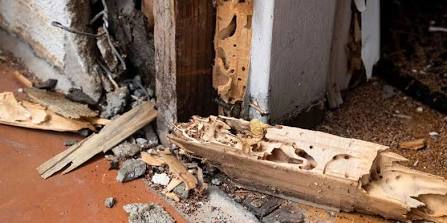
Understanding a WDIR Inspection: What a Wood-Destroying Insect Report Really Means
A professional wdir inspection provides a vital visual assessment for evidence of wood-destroying insects, related structural damage, and localized site conditions that encourage active pest infestations. Homebuyers, property sellers, lenders, and real estate agents frequently call this a standard termite report. However, termites are not the only destructive micro-villains under evaluation when safeguarding an investment.
Depending on the specific regulatory forms and local jurisdictions, a official wood-destroying insect report may cover subterranean termites, drywood pests, carpenter ants, carpenter bees, and wood-boring beetles. It is crucial to outline the boundaries of this assessment: it does not certify that completely concealed framing cavities remain pest-free, determine whether compromised elements are structurally sound, or guarantee that insects will never return post-closing.
There is also one critical, Texas-sized plot twist that real estate stakeholders must navigate: Texas real estate transactions use a state-mandated Texas Official Wood Destroying Insect Report—not the standard national NPMA-33 form.
The National Pest Management Association notes that the national NPMA-33 framework handles HUD, VA, and conventional loan transactions throughout most states unless local administrative codes exclude it. Texas strictly dictates its own customized document—the SPCS/T-5 form—for transaction-based verifications. Before an out-of-state lender or buyer requests a copy of the national template, understand which document is legally valid for your transaction deadlines.
What Is a WDIR Inspection? Breaking Down the Core Evaluation Protocols
The acronym WDIR stands for Wood-Destroying Insect Report. The on-site evaluation supporting this document involves an intensive, non-destructive visual examination of accessible interior and exterior home parameters to detect clear indications of wood-infesting pests.
During the property walkthrough, a certified inspector focuses heavily on identifying:
- Live wood-destroying insects nesting within or moving along framing elements.
- Dead insects, reproductive carcasses, or discarded wings near light sources.
- Shelter or mud tubes traveling along structural foundations, basements, or piers.
- Precise exit holes bored cleanly through structural timbers, exterior siding, or trim.
- Accumulations of frass, sawdust, or insect waste pellets beneath exposed wood.
- Visible wood damage, honeycombed feeding channels, or hollowed-out trim boards.
- Material indicators of previous pest treatments, such as drill marks or treatment stickers.
- Environmental site conditions highly conducive to active infestations (such as standing water).
- Specific inaccessible or obstructed areas that could not be verified on the appointment date.
The Texas Department of Agriculture requires the Texas form to report the visible presence or absence of wood-destroying insects and conditions conducive to infestation in connection with real estate transactions. A proper review is not a superficial glance around the front porch steps; the technician evaluates accessible portions of the primary structure according to applicable administrative rules and documents what was—and was not—visible on the exact inspection date. To better navigate these operational boundaries, learn more about these differences in our deep-dive comparison guide covering a termite inspection versus a WDI report.
| Term | Plain-English Meaning | What It Usually Refers To | Texas Application & Form |
|---|---|---|---|
| WDI | Wood-destroying insect category. | The general biological pest classification. | Includes termites, beetles, and carpenter ants. |
| WDI Inspection | Visual examination for physical WDI evidence. | The actual on-site technical field service. | Evaluates accessible interior and exterior structures. |
| WDIR | Wood-Destroying Insect Report document. | The final completed inspection record. | Provides the core findings for underwriting. |
| Termite Report | Informal consumer term for pest reviews. | Often casually used to mean a WDIR. | Incomplete, as it omits other wood-boring insects. |
| NPMA-33 | National WDI inspection form template. | Standardized national mortgage inspection form. | Not accepted for Texas real estate transactions. |
| SPCS/T-5 | Texas Official WDI Report document. | Legally mandated Texas transaction report. | Required by law for all Texas property transactions. |
Understanding the NPMA-33 Form and Why Texas Rejects It for Transactions
The NPMA-33 Wood Destroying Insect Inspection Report is a highly structured, standardized form developed by the National Pest Management Association. This template records visible evidence or active biological behaviors associated with termites, carpenter ants, carpenter bees, and reinfesting wood-boring beetles. Crucially, it does not cover household mold, mildew, or non-insect wood-destroying organisms like wood-rotting fungi.
The national form records visible damage, inaccessible framing, physical obstructions, treatment recommendations, and historical remediation data. It is widely associated with government-backed mortgage transactions and conventional underwriting throughout the country. However, NPMA guidance specifically recognizes that a state-mandated report must be used when state law excludes other forms.
Because the state mandates the custom SPCS/T-5 document, a national article may mistakenly tell a Texas seller to order “an NPMA-33.” Lenders based outside the state may use the same shorthand out of habit. However, a qualified local inspection provider knows that a more accurate Texas request is: “I need an official Texas WDI inspection report for a real estate transaction.” That single sentence sends underwriting control the correct regional coordinates.
Inside the Inspection: What a Certified Texas WDI Inspector Looks For
The official Texas WDI report information is meticulously organized to document the structure, scope, visible evidence, conducive conditions, inaccessible areas, and relevant professional recommendations. The evaluation is strictly visual and non-destructive; it does not include removing wall coverings, drilling into finished woodwork, or dismantling major building components.
1. Visible Evidence of Wood-Destroying Insects
Inspectors look closely for structural indicators left by subterranean termites, drywood termites, Formosan termites, carpenter ants, carpenter bees, and wood-boring beetles. The finalized report distinguishes observed evidence from mere assumptions. A mysterious stain is not automatically active termite tunneling; a pile of generic dust is not automatically beetle frass; and a weathered board is not automatically structurally unsafe. Every physical observation must be clear, localized, and contextually grounded.
2. Visible Damage and Structural Implications
When visible wood damage is identified, the inspector records its exact location and apparent biological association. A WDI inspector does not determine the full concealed extent of damage within enclosed framing elements. In fact, the national NPMA-33 form explicitly warns that an inspection firm cannot guarantee that the disclosed activity or damage represents all activity or damage present on the inspection date. A licensed contractor, structural engineer, or builder may be required to evaluate load-bearing capacities, repair methods, and historical costs.
3. Environmental Conditions Conducive to Infestation
“Conducive conditions” are property issues that encourage pest entry, trap localized humidity, conceal evidence, or make a thorough visual inspection difficult. Common Texas examples include:
- Wood-to-soil contact: Structural framing, deck supports, or wood siding touching bare earth.
- Excessive mulch or soil: Ground cover piled too high against exterior foundation walls.
- Active plumbing leaks: Drips behind cabinets, slab penetrations, or around bath traps.
- Poor exterior drainage: Standing water near foundation walls or downspouts discharging close to the slab.
- Concealing obstacles: Form boards left behind, dense vegetation blocking walls, or heavy garage storage.
4. Documented Evidence of Previous Treatments
Inspectors frequently observe historical markers such as old treatment stickers, evenly spaced foundation drill marks, bait stations, or localized trenching evidence. Previous treatment does not automatically mean the property is currently clear, nor does it prove that every compromised component was structurally repaired. Homebuyers should always keep copies of treatment records available so the inspector, buyer, and lender can review past warranties.
How to Read the WDI Report Without Panicking: A Four-Pass Review
A completed pest report can feel alarming because it contains technical terminology, checked boxes, and phrases like “conducive conditions” or “active infestation.” You can process the information clearly by breaking it down into a systematic, four-pass review:
- Pass 1: Confirm the Property and Inspection Scope: Verify the property address, inspection date, structures included, and specific areas excluded. Detached garages, fences, sheds, guest houses, and decks are legally excluded from standard reviews unless explicitly identified within the written scope of work.
- Pass 2: Identify Current or Previous Evidence: Carefully look at the comments and locations to distinguish between documented active colonies, historical activity, or isolated structural markings. Do not assume every checked box means an active swarm is consuming the kitchen.
- Pass 3: Review Conducive Conditions: This section is often the longest. Typical corrections are straightforward home maintenance tasks: repairing plumbing drips, clearing wood debris from crawl spaces, pulling mulch back from siding, and trimming thick foundation foliage.
- Pass 4: Read Limitations and Recommendations: Look for notes detailing inaccessible locations, finished crawl spaces, stored personal items, or heavy insulation that blocked the inspector’s line of sight. A report limited by blocked walls is not “clear” in the everyday sense; it means the inspector reported the conditions visible within the available scope.
Remember that an official report is a snapshot of visible conditions on a particular date. For more details on these boundaries, read our comprehensive overview of what a WDI report means in Texas.
Field Media Guide & Visual Target Checklists
When analyzing your prospective property’s structural health, check that your inspection team captures these critical visual targets:
📷 Mud Shelter Tubes
Clear captures of active mud ribbons traversing slab edges, expansion joints, or crawl-space piers.
📷 Discarded Wings & Debris
Macro photos of shed wings, frass pellets, or mystery exit holes along interior trim or windowsills.
📷 Honeycombed Wood Damage
Detailed documentation of soft, crushed, or hollow framing members showing mud-lined feeding channels.
📷 Active Foundation Scanning
Images of a certified applicator auditing high-risk soil-to-wood transitions and damp crawl space walls.
Frequently Asked Questions About Texas WDI Inspections
What does WDIR stand for?
WDIR stands for Wood-Destroying Insect Report. It officially documents visible evidence of specified insects, associated wood damage, conducive structural conditions, and physical inspection limitations.
Is a WDIR the same as a generic termite report?
A termite report is a common, informal consumer name for a WDIR. However, a formal WDIR is broader, addressing other wood-destroying organisms such as wood-boring beetles, carpenter ants, and carpenter bees.
Is an NPMA-33 required for real estate transactions in Texas?
No. Texas requires its own official form, the SPCS/T-5, for WDI inspections performed in connection with real estate transactions. NPMA national guidance explicitly directs inspectors to utilize the mandated state form where local regulations apply.
Does a VA loan always require an official termite inspection?
No. VA wood-destroying insect requirements depend heavily on the state, specific property observations, appraisal findings, and current program rules. Buyers must confirm requirements with their lender for the specific transaction.
Does FHA require a termite report on every single home?
No. An FHA-related WDI inspection is typically triggered by visible evidence, suspicious damage, state or local rules, customary regional practices, or underwriter discretion. When a report is required in Texas, the official state-mandated form applies.
How long does a completed WDIR remain valid for closing?
Validity parameters depend entirely on your lender, loan program guidelines, contract provisions, and current underwriting requirements. Always ask your lender how recent the inspection must be before scheduling the appointment.
Does a clear WDI report completely guarantee that no termites exist on the property?
No. The inspection is strictly visual and limited to accessible areas at that specific time. Concealed pest activity behind finished drywall, under heavy flooring, or beneath insulation cannot be discovered without destructive testing.
Can a licensed home inspector issue an official Texas WDI report?
Only an individual properly licensed or authorized under applicable Texas structural pest control requirements may perform and report the official WDI inspection. A standard home inspector license alone does not qualify someone to issue the official form.
Does RedFish Inspections provide active termite treatment and remediation?
No. RedFish offers certified WDI inspections as a separate specialty service alongside general home inspection services to keep diagnostics independent. The company does not treat active infestations and refers clients to licensed pest control remediation specialists when treatment is recommended.
Lead Magnet: WDIR Preparation Guide for Sellers
Before your option period expires, make sure you receive a clear, legally compliant record of your property’s current structural health. Combining your primary home assessment with a dedicated wood-destroying organism review saves invaluable processing time. You can easily view RedFish sample inspection reports online to analyze our clear visual presentation layout, or check scheduling availability across your local neighborhood by requesting a schedule an inspection alignment immediately.
