

A termite inspection and a WDI report are closely related, but they are not always the same thing. Many Texas buyers hear both terms during the home-buying process and assume they can be used interchangeably.
Here is the plain-language difference: a termite inspection usually focuses on signs of termite activity, while a WDI report is an official Wood Destroying Insect report that documents visible evidence of termites and other wood-destroying insects. In Texas, the official WDI report is tied to Texas Department of Agriculture Structural Pest Control Service procedures and reporting standards.
That difference matters when a lender, real estate contract, buyer, seller, or closing timeline is involved. Let’s break it down.
What Is a Termite Inspection?
A termite inspection is a visual inspection for signs of termite activity, termite damage, and conditions that may attract termites. It may be requested by a buyer, seller, homeowner, real estate agent, or property manager.
| Area Checked | What the Inspector Looks For |
|---|---|
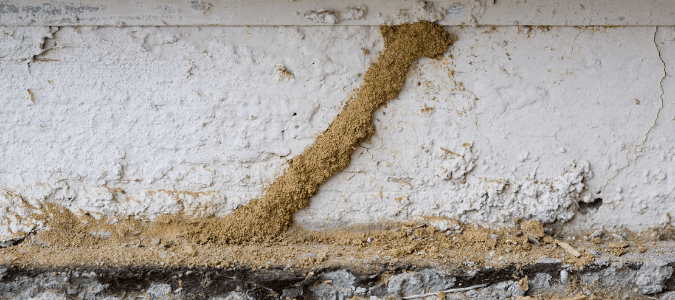
| Foundation | Mud tubes, cracks, moisture, wood-to-soil contact |
| Exterior walls | Damaged trim, siding gaps, visible insect activity |
| Interior rooms | Soft wood, bubbling paint, stained baseboards |
| Garage | Expansion joints, framing, stored wood, entry points |
| Attic or crawl space | Accessible framing, shelter tubes, moisture clues |
| Plumbing areas | Leaks, damp cabinets, conditions attractive to termites |
A termite inspection can be helpful even when a formal report is not required. It gives buyers and homeowners a better idea of whether visible termite evidence is present at the time of inspection.
 The big thing to remember is that termite inspections are visual. Inspectors do not open walls, tear out flooring, or move every stored item. If termites are hidden inside inaccessible areas, they may not be visible during the inspection.
What Is a WDI Report?
A WDI report is an official Wood Destroying Insect report. In Texas, the official form is used to document whether visible evidence of wood-destroying insects was found, whether conducive conditions were observed, and which structures were inspected. Texas WDI form instructions state that the report includes company information, inspector information, inspected structures, scope of inspection, and related findings.
A WDI report may cover more than termites. Depending on the findings and reporting requirements, it may include visible evidence related to wood-destroying insects such as:
| Wood-Destroying Insect | Why It Matters |
|---|---|
| Subterranean termites | Common in Texas and often enter from the soil |
| Drywood termites | Can live inside dry wood without soil contact |
| Formosan termites | Aggressive termite species in some Texas areas |
| Carpenter ants | Tunnel through wood to create nesting galleries |
| Wood-boring beetles | Larvae can damage wood from the inside |
The Texas WDI report is commonly used in real estate transactions. It may be requested by lenders, loan programs, buyers, sellers, title companies, or agents. The Texas official WDI report states that structures are inspected according to official procedures adopted by the Texas Department of Agriculture Structural Pest Control Service.
Key Differences Between the Two
Here is the easiest way to compare them side by side.
| Feature | Termite Inspection | WDI Report |
|---|---|---|
| Purpose | Looks for visible signs of termite activity or damage | Documents visible evidence of wood-destroying insects on an official report |
| Who Orders It | Buyer, seller, homeowner, landlord, investor, or agent | Buyer, lender, seller, agent, title company, or contract party |
| What’s Covered | Usually termites and termite-conducive conditions | Termites and other wood-destroying insects, depending on visible evidence |
| Result Format | May be verbal, written, or included with inspection notes | Official Wood Destroying Insect Report form |
| Who Requires It | Usually optional unless requested | Often required by loan program, lender, or real estate contract |
| Best For | General termite concerns, maintenance, pre-listing checks | Real estate transactions, lender documentation, closing requirements |
| Legal Standard | Depends on service type and provider | Must follow applicable official WDI reporting procedures in Texas |
| Moisture Notes | May mention moisture or conducive conditions | May document conducive conditions such as moisture or wood-to-soil contact |
| Closing Use | Helpful, but may not satisfy lender requirements | Commonly used when official transaction documentation is needed |
When Do You Need Each?
You may need a termite inspection when you are worried about active termites, buying an older home, seeing mud tubes, noticing damaged trim, or preparing to list a property. It is also smart after water leaks, drainage problems, or foundation moisture concerns.
📋 Real Estate Transactions
A search for WDI inspection near me usually means you need an official document for closing. This satisfies lender profiles (like VA or FHA loans) or negotiated contract terms.
Recommended: Official WDI Report
🛠️ General Property Maintenance
If you see mud tubes or are evaluating past water leaks, a targeted overview checks structural thresholds without requiring strict transactional state filings.
Recommended: Termite Inspection
A termite moisture inspection may also be useful when the concern is not just bugs, but the moisture conditions that attract them. Termites love damp, accessible wood. Correcting moisture issues can reduce risk over time.
Texas Structural Regulatory Requirements
In Texas, this topic can get confusing because real estate professionals often say “TREC” when discussing inspection paperwork, contracts, or closing requirements. But official WDI reporting is regulated through the Texas Department of Agriculture’s Structural Pest Control Service, which licenses and regulates structural pest control professionals.
Texas rules state that inspections for the purpose of issuing a Wood Destroying Insect Report must be conducted by a licensed certified applicator or technician in the Termite and Wood Destroying Insect Control category. The rule also says the purpose is to report the absence or presence of wood-destroying insects and conducive conditions.
 So, where does TREC fit in?
TREC is important in Texas real estate transactions, but a TREC home inspection report and a WDI report are separate documents. Your general home inspector may recommend a WDI inspection when visible conditions suggest termite risk, but the official WDI report must follow the applicable Texas structural pest control requirements.
For buyers, that means you should not assume a standard home inspection automatically includes the official WDI report. Ask clearly before closing:
| Question to Ask Before Closing | Why It Matters |
|---|---|
| Is a WDI report required by my lender? | Loan programs may have specific closing rules or requirements. |
| Is it explicitly included in my contract? | Contract terms can create strict option period deadlines. |
| Who is performing the WDI inspection? | Texas has strict state licensing rules for official WDI reports. |
| Will I receive the official report form? | Underwriters will need formal structural documentation. |
| Is termite treatment recommended? | Treatment status heavily impacts price negotiations and closing timelines. |
This is exactly where RedFish can help buyers stay organized. We can pair your inspection needs with the right termite inspection process, so you know what you are getting before the deadline sneaks up.
Frequently Asked Questions
Is a termite report the same as a WDI report?
Do I need a WDI inspection near me before closing?
What is a termite certification inspection?
Does a WDI report include moisture problems?
Can a clean termite inspection guarantee there are no termites?
Schedule Your Termite Inspection with RedFish
A termite inspection and a WDI report both help protect you from expensive surprises. The key is knowing which one your situation requires before closing day.
Schedule your home inspection with RedFish and get the termite information you need. Start with our termite inspection services today.
