

University Park is an independent municipality within the Dallas–Fort Worth Metroplex and home to Southern Methodist University (SMU). Together with Highland Park, it forms the area commonly called the Park Cities.
For buyers searching for a University Park home inspector, a professional inspection provides something architecture and curb appeal can’t: information about the house itself.
Why Hire a University Park Home Inspector?
A home inspection evaluates visible and accessible systems and components, so you can better understand the property before you own it.
Established neighborhoods often contain homes that have been remodeled, expanded, reconstructed, or replaced over time. So the year associated with the original home may not describe every system present today.
A home inspector evaluates accessible roofing, attic areas, electrical, plumbing, heating and cooling, exterior and interior components, and structural elements within the inspection scope. For a full breakdown, see what is checked during a home inspection.
Renovated Homes Still Need Inspection
A renovation tells you that improvements were made. However, it doesn’t establish that every component was updated at the same time.
For example, a modern kitchen can coexist with:
- Older attic framing
- Different generations of plumbing
- Newer HVAC equipment
- Roofing from another period
So a University Park home inspector evaluates what actually exists, not what the finishes suggest.
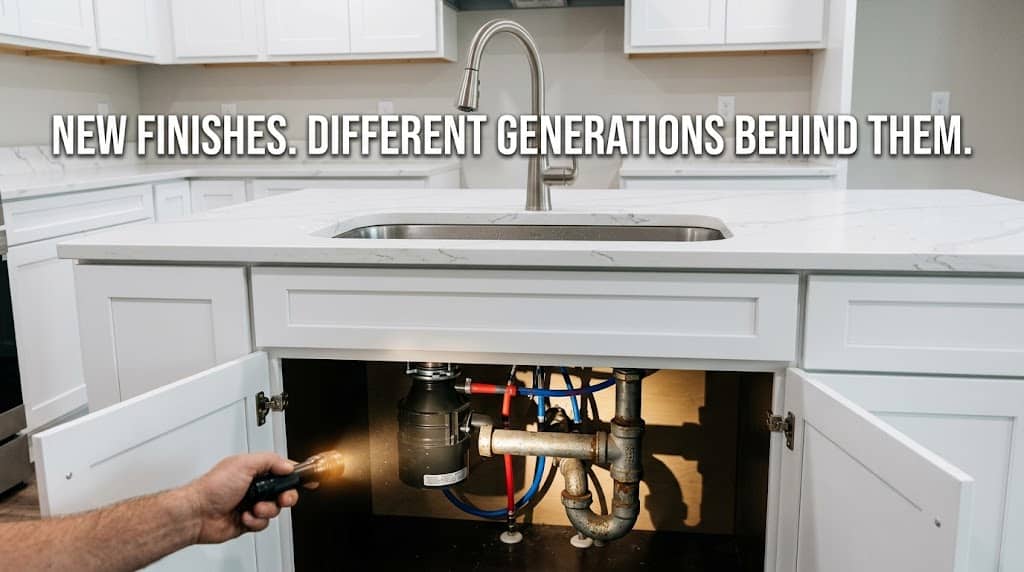
Different Generations of Plumbing
Behind a remodeled kitchen or bathroom, a home may contain plumbing from more than one period. Newer supply lines can connect to older drain piping, and some sections may be replaced while others remain original.
So the inspector evaluates accessible fixtures, visible supply and drain piping, water-heating equipment, and evidence of leakage. However, piping inside walls, under slabs, or underground isn’t visible during a standard home inspection.
Additions and Second-Story Expansions
Many established homes have grown over time through rear additions, expanded living areas, or added second stories. Each expansion creates places where new construction meets old.
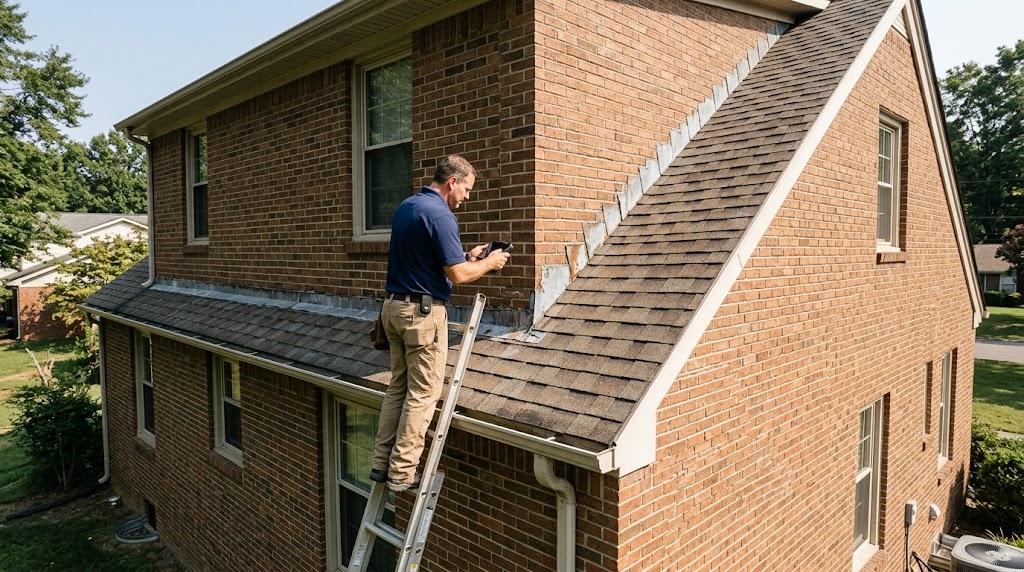
Those transitions deserve attention. For example, an inspector may look at where an addition’s roof meets the original roofline, how flashing is handled at roof-to-wall intersections, and what the attic shows where framing ties together.
A visible transition isn’t automatically a defect. Still, it’s a place where water management and construction details matter.
Roofs and Attics
Accessible roof and attic conditions can provide useful information about roof coverings, penetrations, decking, framing, insulation, ventilation, and observable alterations.
The attic is especially useful in a remodeled or expanded home, because it often shows how different construction periods connect. For more, see what inspectors check on your roof.
Captain Obvious: “The kitchen looks perfect.”
Inspector Hindsight: “We’re still inspecting the attic.”
Drainage Around Expanded Footprints
When a home grows, so does the area that sheds water. Additions, patios, and hardscape can change where rainwater collects and where downspouts discharge.
So the inspector may look at visible grading, downspout discharge, and low areas near the foundation. That matters because much of the DFW area has expansive clay soils, which react to changes in moisture. For more on mature trees, clay soils, and foundations in the Park Cities, see our Highland Park home inspector guide.
Newer Homes Need Inspections Too
Some older University Park homes have been replaced with new construction. A newer home can still contain observable conditions worth documenting, because “new” describes age, not guaranteed condition.
For more, see our guides to new construction home inspections and the 11-month warranty inspection.
What a University Park Home Inspection Can’t Do
A home inspection is visual and limited to accessible conditions within scope. It can’t see inside walls, guarantee every concealed condition will be found, or predict future performance. It also doesn’t decide whether you should buy the house.
Instead, it gives you better information. For help prioritizing findings, see our guide to home inspection red flags.
Captain Obvious: “New kitchen, new roof, new paint. We’re done.”
Inspector Hindsight: “That’s three things. The house has a few more.”
Captain Obvious: “It was obvious.”
Inspector Hindsight: “Until it wasn’t.”
University Park Home Inspection FAQs
Is University Park its own city?
Yes. University Park is an independent municipality within the DFW Metroplex. Together with Highland Park, it forms the Park Cities.
Do extensively remodeled University Park homes need inspections?
Yes. Remodeling doesn’t establish the condition of every system.
Do homes with additions need special attention?
Additions create transitions between newer and older construction, such as roof intersections, framing tie-ins, and drainage changes. Those areas deserve a closer look.
Do newer homes need inspections?
Yes. Newer construction can still contain observable conditions worth documenting.
Can a home inspection find every problem?
No. Home inspections are limited to visible and accessible conditions within scope.
Schedule a University Park Home Inspection
Looking for a University Park home inspector, a Park Cities inspection, or a professional DFW home inspection? Understand the house before it becomes your house.
Schedule your RedFish home inspection, or call (866) 218-6699 to confirm service in your area.
RedFish Inspections
Inspecting To A Higher Standard.

