

Scheduling your San Antonio master-planned community home inspection? Start with one question: what stage is the house in? This guide covers new construction, resale homes and timing.
San Antonio’s master-planned communities stretch far beyond one part of the metro. Buyers can find large established developments on the Northwest and Far West sides, Hill Country communities extending toward Boerne and Bulverde, rapidly developing neighborhoods along the I-35 corridor toward New Braunfels and Seguin, and continued residential growth south and east of the city.
That variety also means that buying a home in a San Antonio master-planned community can involve very different properties.
One buyer may be purchasing a brand-new production home that is still under construction. Another may be buying a custom Hill Country home on a larger lot. Someone else may be purchasing a resale property that’s been occupied for years.
The community may help you decide where you want to live. The home inspection helps you better understand the particular house you’re considering.
That’s an important distinction.
Should You Get a Home Inspection in a San Antonio Master-Planned Community?
Yes. Buyers should consider an independent inspection based on the condition, construction stage and characteristics of the particular home—not simply on the reputation, age or amenities of the community.
A master-planned development can have attractive amenities, architectural standards, parks, trails, pools and newer infrastructure. None of those things tell a buyer the condition of the individual home’s roof, electrical system, plumbing, HVAC equipment, foundation components, attic, appliances or other accessible systems.
Texas Real Estate Commission Standards of Practice establish minimum requirements for licensed Texas real estate inspectors performing applicable buyer and seller inspections of substantially completed one-to-four-family residences. A standard inspection is a limited visual survey and basic performance evaluation of accessible systems and components at the time of inspection.
In other words, the inspection is about your house, not the marketing brochure for the neighborhood.
Inspector Hindsight: “A beautiful entrance monument tells you a lot about the entrance monument. Surprisingly little about the house you’re buying.”
Captain Obvious: “I checked. The neighborhood pool is also not connected to your electrical panel.”
Point taken.
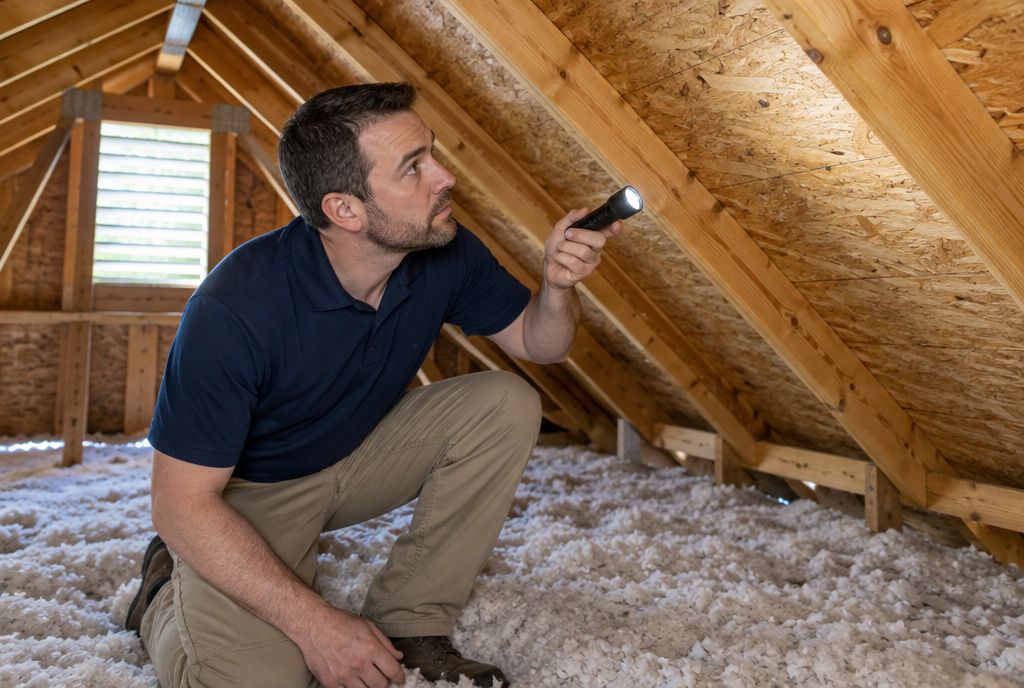
Why San Antonio Master-Planned Communities Aren’t All the Same
San Antonio’s master-planned communities represent different locations, construction periods, builders, lot types and stages of development, so inspection considerations can vary considerably from one property to another.
That’s why RedFish doesn’t believe a useful San Antonio inspection article should simply list subdivisions.
Consider the geographic differences.
Northwest and Far West San Antonio
This broad growth area includes established and developing communities such as Alamo Ranch, Arcadia Ridge, Bricewood, Davis Ranch, Kallison Ranch, Ladera, Laurel Mountain Ranch, Luckey Ranch, Morgan Meadows, Potranco Ranch, Redbird Ranch, Stillwater Ranch, Valley Ranch, Viana and others.
Some are mature enough to contain substantial resale inventory. Others continue to have active new construction.
Alamo Ranch’s community association, for example, describes it as San Antonio’s largest master-planned community and identifies numerous individual neighborhoods within the development.
For buyers, that means the words “Alamo Ranch home” alone don’t tell us whether we’re discussing a newer property or a house with years of occupancy, maintenance, repairs and modifications behind it.
The inspection strategy should follow the actual property.
North San Antonio and the Texas Hill Country
Travel north and northwest and the property mix changes again.
Communities in and around Boerne, Bulverde, Castroville and northern San Antonio can include production homes, custom and semi-custom construction, larger homesites and properties that interact differently with their terrain.
Communities such as Esperanza, Cibolo Canyons, Kinder Ranch, Windsong, Alsatian Oaks and other developments in this broader region deserve to be evaluated in their own geographic and property context.
A buyer shouldn’t assume that inspection considerations for a Hill Country custom home are identical to those for a production home in a denser suburban development.
Northeast San Antonio and the I-35 Corridor
The San Antonio-to-Austin corridor has another concentration of developing and established communities around Schertz, Cibolo, New Braunfels, Marion and Seguin.
This includes communities such as Homestead, Foxbrook, Confluence, Mayfair, Meyer Ranch, Navarro Ranch, The Parklands, Veramendi and Vintage Oaks.
Some of these developments are substantial projects in their own right. Veramendi’s developer, for example, describes a community of more than 2,400 acres. Mayfair is another major development bringing new housing and planned amenities to New Braunfels.
For RedFish, that creates two important audiences: buyers purchasing new construction and buyers purchasing resale homes within communities that have been developing for years.
Those are not necessarily the same inspection conversation.
South and East San Antonio
Residential development also continues south and east of central San Antonio, including communities around the I-10 and I-37 corridors and areas near major employment centers.
Communities such as Applewhite Meadows, Mission Del Lago, Annabelle Ranch, Garden Grove, Hickory Ridge, Lone Oak and Stone Garden represent another part of the San Antonio-area housing picture.
Again, the address matters—but the condition and stage of the individual home matter more.
Do Brand-New Homes Need an Independent Inspection?
A newly constructed home can still benefit from an independent inspection because “new” describes the home’s age, not the condition of every accessible system and component on the day it is inspected.
This is especially relevant in master-planned communities where buyers may be purchasing directly from a builder.
Municipal inspections, builder quality-control processes and an independent inspection performed for the buyer do not necessarily serve the same purpose.
TREC itself recognizes this distinction. Its rules addressing certain builder quality-control construction inspections state that such a report is not intended as a substitute for an inspection of the property by an inspector of the buyer’s choice.
That is an important point for new-home buyers.
A home can be new and still deserve independent attention.
Captain Obvious: “But nobody has lived there yet.”
Inspector Hindsight: “Correct. Which tells us how many people have lived there. It doesn’t tell us whether every accessible component was installed and performing as intended.”
What Can an Inspection Evaluate on a Completed New Home?
For a substantially completed home, an applicable Texas real estate inspection evaluates accessible systems and components under the TREC Standards of Practice.
Depending on the property and agreed scope, that can include areas involving the structure and foundation, roof coverings and roof structures, attic areas, electrical systems, plumbing, heating and cooling equipment, appliances and other applicable components.
The inspection is not a guarantee that a home has no defects, nor is a standard TREC inspection a comprehensive code-compliance inspection.
TREC specifically notes that its inspectors follow Standards of Practice rather than being required to inspect a home to all applicable building codes.
That’s another distinction buyers should understand.
What About Phase Inspections During Construction?
Construction-stage inspections are different from a standard inspection of a substantially completed home and should be scheduled according to the construction stage and the scope of service being provided.
For buyers who contract early enough in the building process, there may be opportunities to have aspects of construction evaluated before finishes conceal them.
The timing matters.
Once drywall, flooring, insulation and other finishes are installed, many construction details are no longer accessible through a normal visual inspection.
Texas inspection rules themselves recognize that a building or addition that is not substantially complete is treated differently from the standard buyer/seller inspection of a completed residence.
For buyers building in one of San Antonio’s rapidly developing communities, the practical takeaway is simple:
Ask about inspection options early—not the afternoon before closing.
Availability, builder access requirements and the appropriate inspection scope should be confirmed for the specific project.
Is a Builder Walkthrough the Same as a Home Inspection?
No. A builder walkthrough and an independent home inspection serve different purposes.
A walkthrough commonly gives the buyer an opportunity to review finishes, operation and items requiring builder attention.
An independent inspection provides the inspector’s evaluation of accessible systems and components within the agreed inspection scope.
TREC has warned consumers that some walkthrough-type services may not provide the same information as a standard inspection and may not be acceptable for purposes such as certain warranty disputes or lender needs.
Neither process needs to be portrayed as the enemy of the other.
They simply aren’t interchangeable.
What About a Resale Home in a Master-Planned Community?
A resale home should be evaluated based on its current condition, regardless of how desirable or well-maintained the surrounding community appears.
This becomes particularly important in established master-planned developments.
Years of occupancy can mean maintenance, repairs, replacements, renovations, storm exposure and owner modifications.
That doesn’t mean something is wrong with the house.
It means its history is different from a home that was completed last month.
A resale inspection provides the buyer with information about observable conditions at the time of inspection so that the buyer can make a more informed decision.
Inspector Hindsight: “Age isn’t a defect.”
Captain Obvious: “And new isn’t a condition report.”
That’s essentially the philosophy.
Should I Get an 11-Month Warranty Inspection on a New Home?
If your builder provides a warranty period, an inspection before an applicable warranty deadline can give you information about observable conditions you may want to discuss with the builder before that deadline.
The exact warranty terms belong to your builder contract and warranty documents. An inspector doesn’t determine whether a builder is contractually required to make a particular repair.
What an inspection can do is document observed conditions within its scope.
That’s why buyers in actively developing San Antonio communities should keep more than their closing date on the calendar.
Know your applicable warranty dates as well.
Does Living in a Master-Planned Community Change What a Home Inspector Does?
The community itself doesn’t replace the inspection standards or the agreed inspection scope, but the home’s characteristics and location can influence what information is relevant to the buyer.
A home inspector isn’t inspecting the entire master-planned development.
The inspector is evaluating the property the client hired the inspector to inspect.
Community pools, amenity centers, HOA-maintained property and other common areas are separate from the typical inspection of an individual residence unless specifically included under another agreed service.
Likewise, HOA architectural requirements are not the same thing as an inspection standard.
If you’re buying in an HOA-controlled community, review the HOA documents separately as part of your transaction.
Does a Home Inspection Tell Me Whether the House Meets Every Building Code?
No. A standard Texas real estate inspection is not automatically a comprehensive code-compliance inspection.
TREC explicitly states that inspectors are not required to inspect homes to the various building codes that may apply. Instead, licensed inspectors performing applicable inspections follow TREC’s Standards of Practice.
An inspector may provide services beyond those minimum standards when competent and when those services are appropriately agreed upon, but buyers shouldn’t assume that the words “home inspection” mean an exhaustive determination of compliance with every code provision applicable to the property.
That matters particularly with new construction, where phrases such as “code inspection,” “municipal inspection,” “builder inspection” and “independent home inspection” sometimes get used as though they mean the same thing.
They don’t.
What Should I Look for When Hiring a Home Inspector in San Antonio?
Look for a properly licensed Texas inspector who will provide an independent evaluation, clearly explain the inspection scope and communicate observed conditions in a way you can understand.
TREC requires inspectors to maintain professionalism, independence, objectivity and fairness. Its rules state that an inspector should conduct business in a manner that protects that independence from outside influence.
That independence matters whether you’re buying from an individual seller or directly from a builder.
The inspector works for the inspection client.
Buying in Alamo Ranch, Viana, Veramendi, Mayfair—or Somewhere Else?
RedFish will be expanding this guide with dedicated inspection resources for San Antonio’s individual growth corridors and selected master-planned communities.
That means buyers will be able to go deeper than a generic San Antonio article.
Our upcoming community and corridor guides will cover areas including:
Northwest & Far West San Antonio, including Alamo Ranch, Kallison Ranch, Redbird Ranch, Stillwater Ranch, Viana and surrounding communities.
North San Antonio and the Texas Hill Country, including communities around Boerne, Bulverde, Castroville and northern San Antonio.
The Northeast/I-35 Corridor, including Schertz, Cibolo, New Braunfels, Marion and Seguin communities such as Mayfair, Veramendi, Meyer Ranch and others.
South & East San Antonio, covering expanding residential areas along the southern and eastern portions of the metro.
The purpose isn’t to tell you which community to choose.
It’s to help you understand the inspection considerations that may come with the particular home you choose within it.
Frequently Asked Questions About San Antonio Master-Planned Community Home Inspections
Do I need an inspection if my San Antonio home is brand new?
A new home can still benefit from an independent inspection. New construction has not had years of occupancy, but that does not establish the condition of every accessible component at the time of inspection.
Does a city inspection replace an independent home inspection?
No. Municipal/code inspections and an independent inspection performed for a buyer have different purposes and scopes.
Can I have a home inspected before drywall goes up?
Construction-stage inspection services may be available before the home is substantially complete. Timing and access should be coordinated early with the builder and inspection company.
What is an 11-month warranty inspection?
It is an inspection commonly scheduled before an applicable builder warranty deadline to document observable conditions the homeowner may wish to raise with the builder. The builder’s actual warranty documents determine coverage and deadlines.
Do resale homes in master-planned communities need inspections?
A resale home’s current condition should be evaluated independently of the reputation or amenities of the surrounding community. Previous occupancy, maintenance, repairs and modifications can make every resale property different.
Does RedFish inspect homes throughout the San Antonio area?
RedFish serves the Texas inspection market, but specific service availability should be confirmed for the property’s location and the type of inspection requested. Call RedFish at (866) 218-6699 to confirm availability for your San Antonio-area property.
The Bottom Line
A master-planned community can help determine the lifestyle, amenities and location you’re buying into.
It doesn’t tell you the condition of the house.
Whether you’re purchasing new construction in a rapidly developing San Antonio community, a custom home farther into the Hill Country or a resale property in an established neighborhood, an independent inspection can provide information about the observable condition of the property at the time of inspection.
That’s what the decision should be based on: the actual home in front of you.
Schedule Your RedFish Inspection
Ready to inspect the home you’re buying? Learn more about our San Antonio home inspection services, schedule your RedFish inspection online, or call (866) 218-6699 to confirm availability for your property.
RedFish Inspections
Inspecting To A Higher Standard.

