
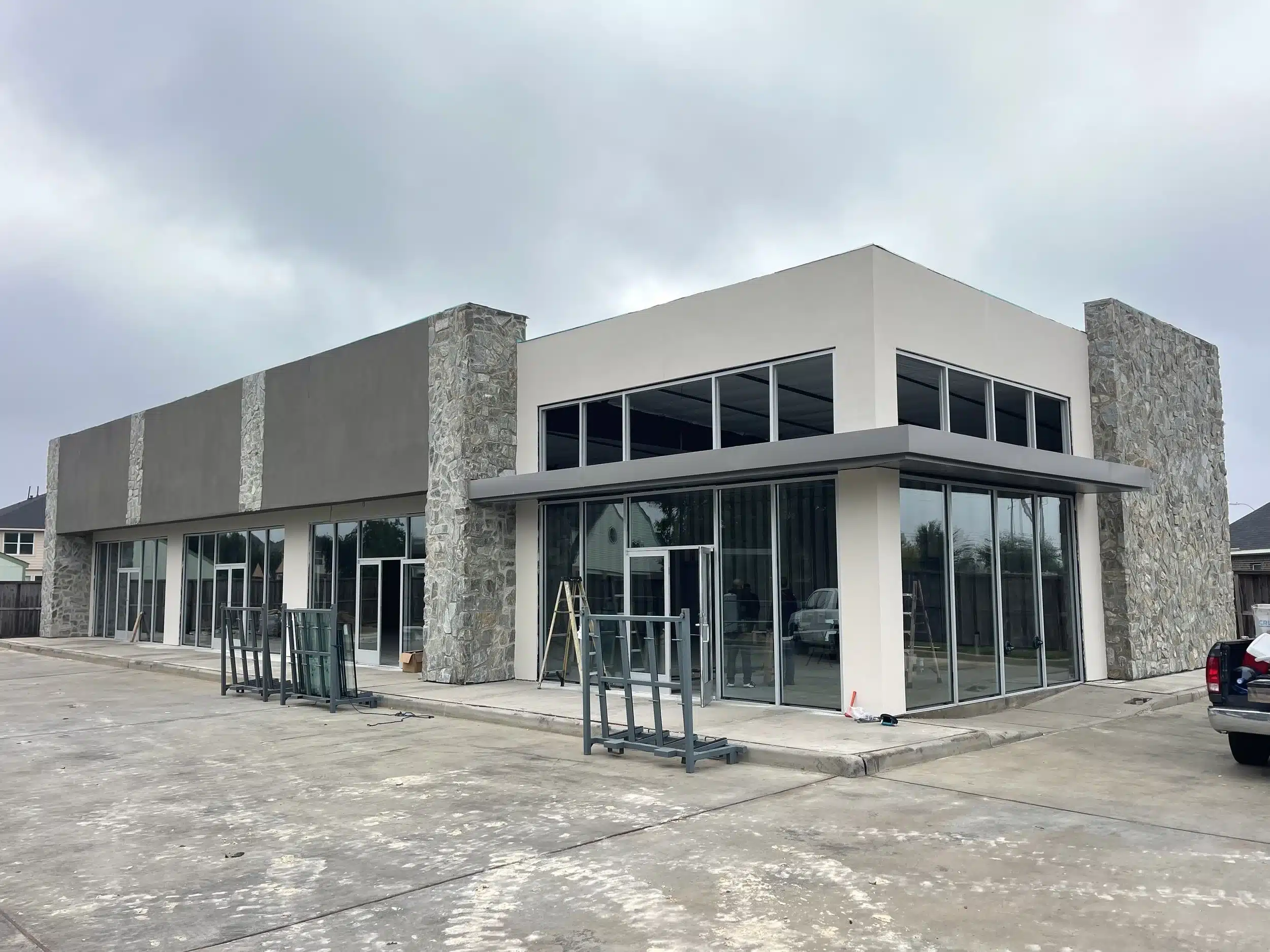
Industrial properties are the backbone of logistics, manufacturing, and distribution. From massive warehouses to specialized production facilities, these buildings are designed to handle heavy equipment, large inventories, and demanding operational environments. Because of this complexity, industrial commercial inspections are critical before buying, leasing, or renovating a facility.
A professional industrial inspection helps investors and business owners understand the true condition of the building, its systems, and any potential risks before making major financial commitments.
At Redfish Inspections, our industrial inspections evaluate the structural integrity and operational systems that keep industrial facilities running efficiently and safely.
What Is an Industrial Commercial Inspection?
An industrial building inspection is a comprehensive evaluation of commercial properties used for manufacturing, storage, logistics, and production. These inspections review the major building systems and structural components that support industrial operations.
Industrial buildings often contain large open spaces, high ceilings, heavy-duty flooring, and specialized infrastructure. Inspectors must evaluate whether the building can safely support equipment, inventory, and operational demands.
These inspections help identify structural concerns, aging systems, and maintenance needs that could impact the building’s value or functionality.
Types of Industrial Buildings
Industrial properties come in several different forms depending on the type of business activity conducted inside the facility. Each building type presents unique inspection challenges.
🏭 Warehouses
Warehouses are designed primarily for storage and distribution of goods. These buildings typically feature large open floor plans, high ceilings, and multiple loading docks for shipping and receiving.
Inspections often evaluate:
- Structural steel framing & roof systems
- Concrete floor slabs and load capacity
- Dock doors and loading areas
- Lighting and electrical capacity
- Fire suppression systems
⚙️ Manufacturing Facilities
These facilities house machinery and equipment used for production. They are often designed to handle heavy loads, specialized utilities, and high electrical demand.
Inspections typically review:
- Heavy electrical systems supporting equipment
- Industrial ventilation and exhaust systems
- Structural supports for machinery
- Compressed air & industrial plumbing systems
🚚 Distribution Centers
Designed for large-scale logistics operations and commonly used by retail companies, wholesalers, and e-commerce businesses.
Inspection areas typically include:
- Large loading dock systems & truck traffic areas
- Electrical systems supporting automation
- Warehouse racking structures
- Fire protection & large span roof systems
🏢 Flex Industrial Buildings
Flex buildings combine office space with warehouse or light industrial areas. These are often used by small manufacturers, contractors, service companies, and logistics businesses.
Inspections evaluate both office & warehouse systems:
- Office HVAC systems
- Warehouse storage areas & roll-up doors
- Electrical capacity for equipment
- Structural framing and roof systems
❄️ Cold Storage and Refrigerated Warehouses
Cold storage facilities are specialized industrial buildings designed to store temperature-sensitive goods such as food, pharmaceuticals, and chemicals. Because refrigeration system failures can result in significant product loss, these inspections are incredibly critical.
Inspections focus on:
- Refrigeration systems
- Insulated wall and ceiling systems
- Moisture control and vapor barriers
- Electrical infrastructure supporting refrigeration units
- Specialized flooring systems
What Happens During an Industrial Inspection?
An industrial inspection involves a thorough evaluation of the building’s visible systems and components.
At Redfish Inspections, our industrial inspections typically include:
- Structural framing and foundation review
- Roof condition and drainage evaluation
- Electrical service, transformers, and distribution panels
- Plumbing systems and industrial water supply
- HVAC systems serving offices and production areas
- Industrial ventilation and exhaust systems
- Loading dock structures and safety features
- Interior floor slabs and heavy equipment areas
- Fire safety and emergency access systems
Our inspectors document findings through detailed reports, photographs, and system summaries so property owners can clearly understand the condition of the facility.
Why Industrial Inspections Are Important
Industrial facilities often represent major financial investments, and hidden problems can lead to costly repairs or operational disruptions.
A professional inspection helps investors and property owners:
- Identify structural issues or safety hazards
- Evaluate major building systems
- Estimate future maintenance costs
- Reduce risk before purchasing a property
- Ensure the building can support operational needs
In many cases, inspections uncover issues such as roof deterioration, electrical deficiencies, or structural concerns that could significantly impact the property’s long-term value.
Frequently Asked Questions
1. What is an industrial building inspection?
2. How long does an industrial inspection take?
3. What systems are evaluated during industrial inspections?
4. Who orders industrial property inspections?
5. Why are industrial inspections important?
Industrial Inspections from Redfish Inspections
At Redfish Inspections, we specialize in evaluating industrial buildings across Texas. Our inspections provide clear, actionable insights so property owners and investors can make confident decisions.
Whether you’re purchasing a warehouse, manufacturing facility, distribution center, or flex industrial building, our inspection services provide the information needed to protect your investment and ensure safe operations.
Contact Redfish Inspections today to schedule your industrial property inspection.
