

A WDI report Texas home buyers receive is an official inspection report that looks for visible signs of termites and other wood-destroying insects. In plain language, it tells you whether a certified inspector found evidence of insects that can damage wood, plus any conditions that may attract them.
In Texas real estate, this report can be a big deal. Lenders, buyers, sellers, and agents may use it to understand termite risk before closing. It is not the same as a full home inspection, and it is not a guarantee that insects will never show up. It is a focused inspection of visible, accessible areas for wood-destroying insect activity.

For buyers, that means peace of mind. For sellers, it can help keep the deal moving. For everyone involved, it is one more smart step before signing on the dotted line.
What Does WDI Stand For?
WDI stands for Wood-Destroying Insect. A WDI report is sometimes called a termite report, termite inspection report, wood-destroying insect report, or termite certification inspection.
The name sounds technical, but the idea is simple. The inspector looks for visible evidence of insects that can damage wood framing, trim, flooring, decks, fences, and other wood components around a structure.
In Texas, termite pressure can be strong because warm weather, moisture, and wood-to-soil contact create a happy little bug buffet. Not exactly the kind of housewarming party anyone wants.
A Texas wood destroying insect report is especially useful because it focuses on insects that may not be obvious during a standard walk-through.
Who Requires a WDI Report in Texas?
A WDI report may be required by a lender, loan program, buyer, seller, or real estate contract. Even when it is not required, many buyers request one because termites and other wood-destroying insects can cause expensive damage.
| Situation | Required By | Notes |
|---|---|---|
| VA Loans | Often required by VA/lender guidelines | Common for Texas transactions, especially in areas with termite risk |
| FHA Loans | May be required by lender or appraiser | Often requested when visible concerns or local requirements apply |
| Conventional Loans | Usually lender-specific | Some lenders request it; others may not |
| Real Estate Contract | Buyer, seller, or negotiated terms | Can be added during the option period or contract process |
A WDI report is also a smart add-on when scheduling home inspection services. Your home inspection looks at the overall condition of the property, while the WDI inspection focuses specifically on wood-destroying insects.
What Wood-Destroying Insects Are Covered?
A Texas WDI report is not only about termites. Termites are the headline act, but other insects may also be noted if they damage wood.
🐜 Subterranean Termites
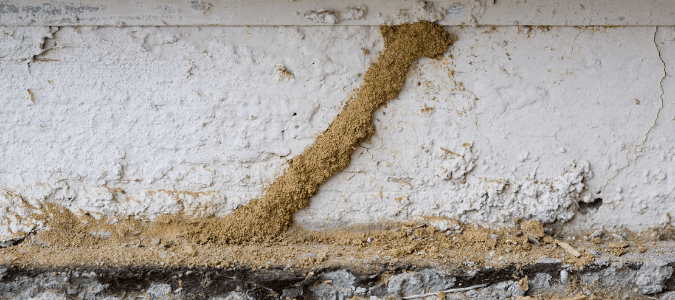
Live underground and build mud tubes to reach wood structures safely.
Texas Risk: High
🔥 Formosan Termites
Aggressive termite species known for rapidly creating exceptionally large colonies.
Texas Risk: High (especially coastal/humid areas)
🪵 Drywood Termites
Live directly inside dry wood frameworks without needing soil contact or external moisture.
Texas Risk: Moderate
🐝 Carpenter Ants & Beetles
Tunnel through wood to create nesting galleries or leave damaging larval exit holes.
Texas Risk: Occasional
The report may also identify conditions that make infestation more likely. These are called conducive conditions. Common examples include moisture near the foundation, wood touching soil, poor drainage, cellulose debris, or areas that are hard to access.
Think of conducive conditions as the “open invitation” insects love. The inspector’s job is to spot those invitations before they become a bigger problem.
What Does a Certified Inspector Actually Check?
During WDI termite inspections, the inspector checks visible and accessible areas of the home and nearby structure.
| Area Checked | What the Inspector Looks For | Why It Matters |
|---|---|---|
| Foundation & Exterior | Mud tubes, wood-to-soil contact, moisture | Termites often enter directly from the ground |
| Interior Rooms | Damaged trim, soft wood, stains, visible insects | Activity may eventually show indoors |
| Attic or Crawl Space | Accessible wood framing, moisture, shelter tubes | Hidden areas can reveal critical clues |
| Plumbing Areas | Leaks, damp wood, poor ventilation | Moisture heavily attracts wood-destroying insects |
| Garage & Attachments | Trim damage, expansion joints, stored wood | These areas often have vulnerable entry points |
A WDI inspection is visual. That means the inspector does not tear into walls, remove flooring, or open hidden spaces. If something is blocked by furniture, storage, insulation, or construction materials, it may be listed as inaccessible.
How to Read Your WDI Report
Your WDI report may look a little intimidating at first, but it becomes easier once you know what to scan for. Start with the property information to ensure everything matches up, then dive into the structural layout parameters below:
⚠️ Active or Past Infestation
Notes whether there is visible evidence of active insect activity or historical damage.
Next Step: Ask about localized treatment history or structural repair options.
🛡️ Previous Treatment
Identifies visible signs or records indicating prior pest prevention treatments.
Next Step: Request transferable warranties or service records from the seller.
🌱 Conducive Conditions
Flags structural invitations like soil lines that are too high or standing water indicators.
Next Step: Correct your perimeter drainage and wood-to-ground contact quickly.
Pay close attention to recommendations. If treatment is recommended, ask what type of treatment is needed, who will perform it, and whether any warranty is available.
Frequently Asked Questions About WDI Reports
1. Is a WDI report the same as a termite inspection?
2. Is a WDI report required for every Texas home sale?
3. How long does a WDI report take?
4. Does a clear WDI report mean there are no termites?
5. Who can perform a WDI report in Texas?
Ready to Check for Termite Trouble Before Closing?
A WDI report gives you helpful information before you buy, sell, refinance, or negotiate repairs. It is a small step that can help protect your investment from very expensive surprises.
Get your WDI report from a certified Texas inspector through Redfish Inspections. Schedule your termite certification inspection today.
