

The best time to prepare your home for hurricane season is before a storm shows up in the forecast. For homeowners in East Houston, that means checking the house, the yard, and your plans while the weather is calm.
Preparation isn’t about expecting the worst. It’s about knowing your home well enough that, if a storm does come, you’re not learning where the shutoffs are in the dark.
Captain Obvious: “No storm in the forecast. No need to prepare.”
Inspector Hindsight: “That’s exactly when to prepare.”
Prepare Your Home for Hurricane Season Before It Starts
The Atlantic hurricane season runs from June 1 to November 30. However, a lot of the most useful preparation can happen months ahead, when contractors are easier to schedule, supplies are easier to find, and there’s no pressure.
A good rule: do the home checks in spring, and review your plans and documents before June.
Roof and Gutters (From the Ground)
Your roof is the home’s first line of defense. From a safe spot on the ground, look for:
- Missing, lifted, or damaged roofing materials
- Loose flashing or damaged vents
- Gutters that are clogged, sagging, or pulling away
- Downspouts that are disconnected or discharge next to the foundation
Don’t climb onto the roof yourself. If something looks off, call a qualified roofing professional. For more, see what inspectors check on your roof.
Trees Near the House
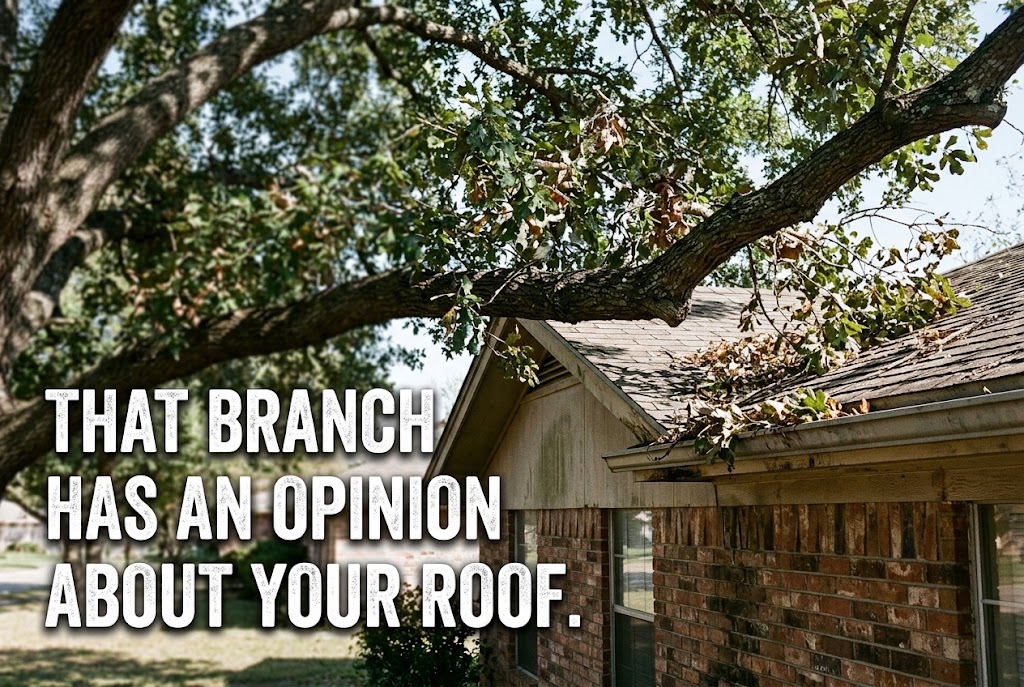
Mature trees are part of many East Houston neighborhoods. In high winds, though, branches over the roof or near power lines can become a concern.
So before the season, look for dead or damaged limbs, branches touching or hanging over the roof, and trees leaning toward the house. Trimming large trees, especially near power lines, is a job for a qualified arborist or the utility company, not a ladder and a handsaw.
Windows, Doors, and the Garage Door
Large openings are where wind and rain often find their way in. Before the season:
- Check window and door sealants for cracks or gaps.
- Make sure exterior doors close and latch properly.
- Look over the garage door for damage, and make sure it operates smoothly.
- If you plan to use storm shutters or panels, know where they are and how they install before you need them.
The garage door is often the largest opening in the house, so it’s worth paying attention to its condition.
Outdoor Items and Drainage
In high winds, loose items can become projectiles. So plan where you’ll store patio furniture, grills, planters, and yard decor.
Drainage matters too. Clear debris from gutters, downspouts, and any yard drains, and note where water collects after heavy rain. Water pooling against the foundation is worth addressing, especially on the Houston area’s clay soils. For more, see our guide to flood awareness and drainage on the Gulf Coast.
Know Your Shutoffs
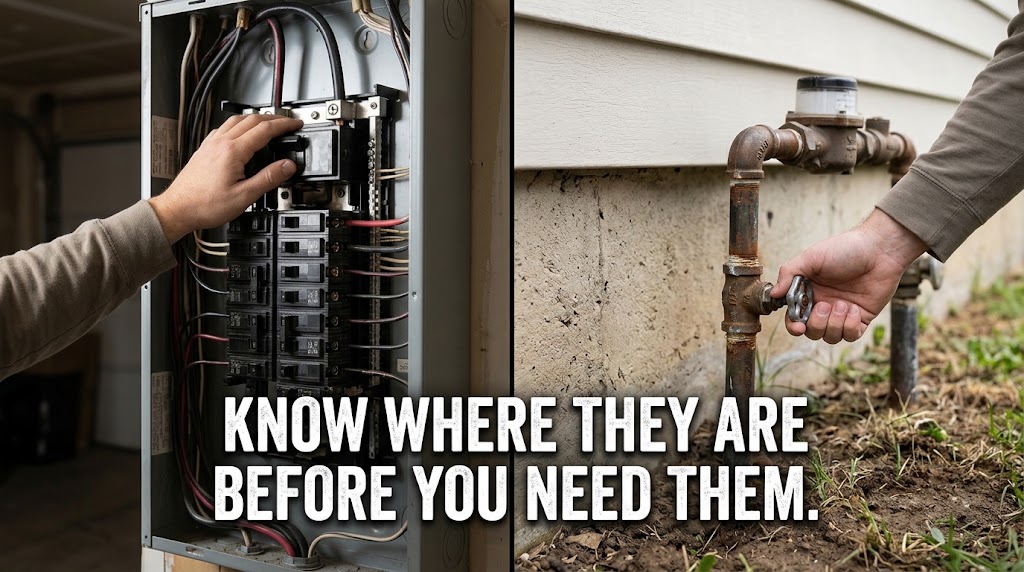
Every adult in the household should know where to find:
- The main electrical breaker
- The main water shutoff
- The gas shutoff, if the home has gas service
Only operate a shutoff when it’s safe to do so. If you ever smell gas, leave the house and call the gas company or 911 from a safe distance. Don’t turn the gas back on yourself. Let the utility or a qualified professional do it.
Inspector Hindsight: “The best time to find the water shutoff is before the pipe breaks.”
Generator Safety
Portable generators can be helpful during outages, but they produce carbon monoxide, which can be deadly. Follow these basics:
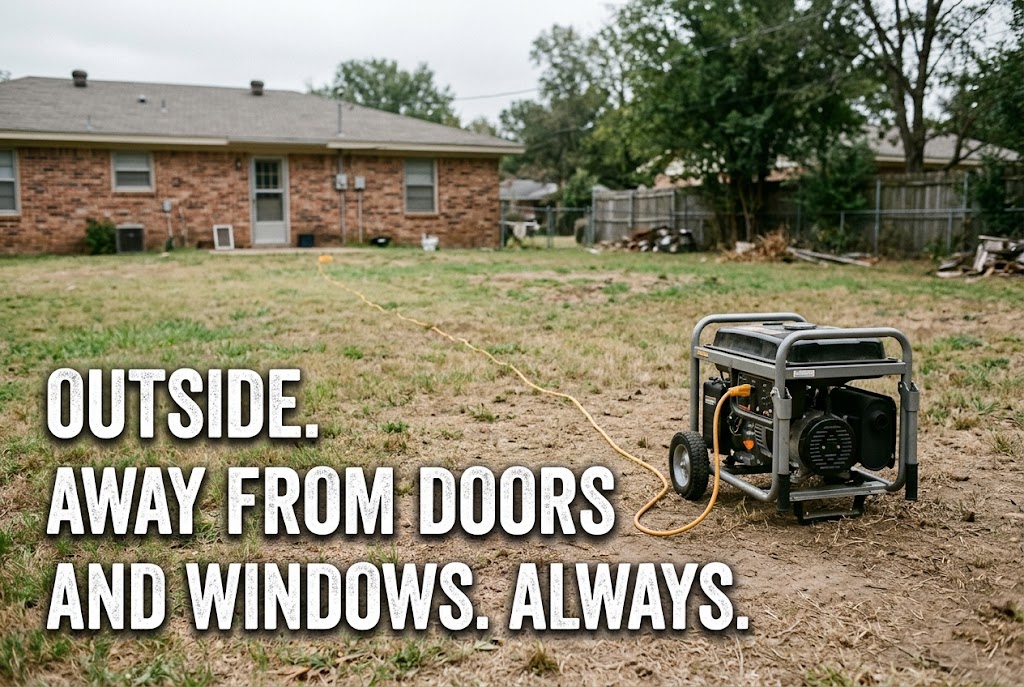
- Run generators outdoors only, never in the house or garage, even with the garage door open.
- Keep them well away from doors, windows, and vents.
- Install carbon monoxide alarms inside the home.
- Never plug a generator into a wall outlet. Connecting a generator to the home’s wiring requires a properly installed transfer switch from a licensed electrician.
Always follow the manufacturer’s instructions for your specific generator.
Document Your Home Before Storms
Photos and records taken before a storm can be very helpful later. So before the season:
- Photograph the exterior, the roof from the ground, and each room.
- Record major equipment, like the HVAC system, water heater, and appliances.
- Keep receipts and records for repairs and upgrades.
- Store copies somewhere safe outside the house, such as in cloud storage.
Review Your Insurance Early
Insurance questions are best answered well before a storm. Talk with your insurance agent about what your policy covers.
Keep in mind that flood coverage is typically a separate policy from standard homeowners insurance, and new flood policies often have a waiting period before coverage begins. So don’t wait until a storm is in the forecast to ask.
After the Storm
When a storm has passed, safety comes first. Stay clear of downed power lines and standing water, look over the home from the ground, photograph any damage, and contact your insurance company.
For a full after-the-storm checklist, see our guide to coastal home maintenance on the Gulf Coast.
How a Home Inspection Can Help
A home inspection can give you a clear picture of your home’s visible condition, including the roof, gutters, drainage, windows, doors, electrical, and more. That’s useful before the season, after a major storm, or anytime you want a baseline.
However, a home inspection can’t predict how a home will perform in a hurricane, determine flood risk, or answer insurance questions. For a full breakdown, see what is checked during a home inspection.
Captain Obvious: “The house made it through the last storm. It’ll be fine.”
Inspector Hindsight: “The last storm is part of the reason to check.”
Captain Obvious: “It was obvious.”
Inspector Hindsight: “Until it wasn’t.”
Hurricane Season Preparation FAQs
When is hurricane season?
The Atlantic hurricane season runs from June 1 to November 30.
When should I prepare my home for hurricane season?
Ideally in spring, before the season starts, when contractors and supplies are easier to find.
Should I climb on my roof to check it before a storm?
No. Look from the ground, and call a qualified roofing professional for anything closer.
Can I run a generator in my garage?
No. Run portable generators outdoors only, away from doors, windows, and vents.
Does homeowners insurance cover flooding?
Flood coverage is typically a separate policy. Ask your insurance agent well before a storm.
Can a home inspection help me prepare for hurricane season?
Yes. It documents your home’s visible condition. However, it can’t predict storm performance or answer insurance questions.
Schedule Your RedFish Home Inspection
Want a clear picture of your East Houston home before the next storm season? Understand its condition while the weather is calm.
Schedule your RedFish home inspection, or call (866) 218-6699 to confirm service in your area.
RedFish Inspections
Inspecting To A Higher Standard.

