

Moving to a rural home in western Waller County often means living with a well and septic system for the first time. A Waller County well and septic inspection helps before you buy. After closing, though, understanding how these systems work day to day matters just as much.
City water and sewer are mostly out of sight and out of mind. A private well and septic system, on the other hand, are yours to understand, watch, and maintain. Here’s what new rural owners should know.
Captain Obvious: “Water comes out, water goes down. Same as the city.”
Inspector Hindsight: “Same result. Very different system. And now it’s yours.”
Before You Buy: Waller County Well and Septic Basics
A well inspection evaluates the visible and accessible well system and how it operates. That can include the well housing, visible components, plumbing, valves, the pressure tank, limited water-pressure testing, and pump operation. Water quality requires separate laboratory testing, and septic evaluation is typically a specialized service.
For more on buying a property with a well and septic system, see our guides to well and septic inspections for rural properties and multiple wells, missing records, and older systems.
Water Treatment Equipment
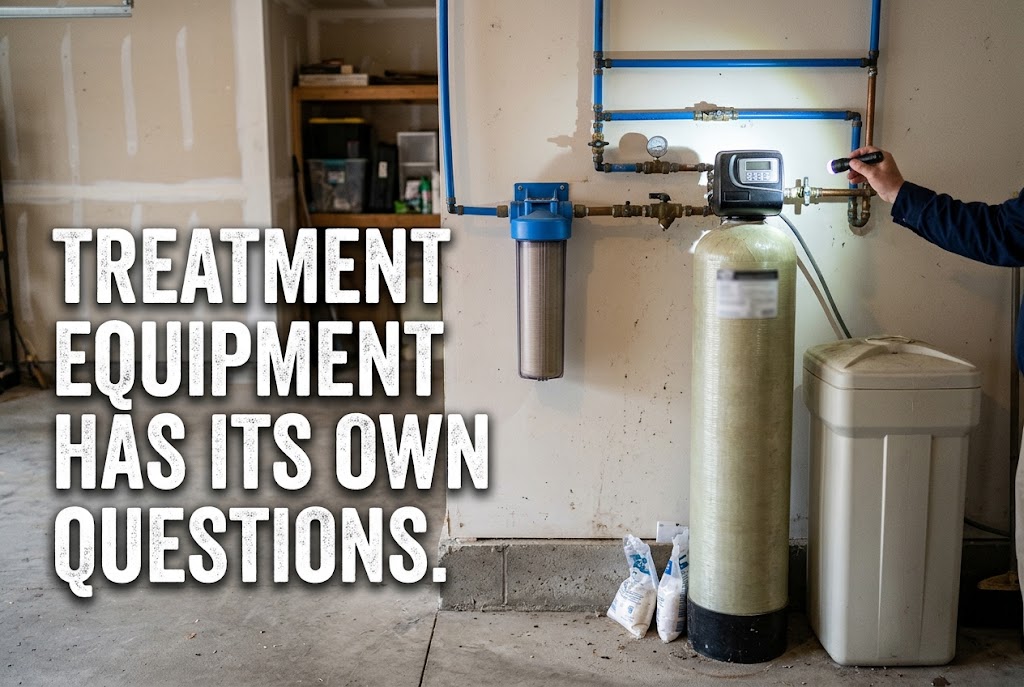
Homes on private wells often have water treatment equipment, such as a water softener, sediment or carbon filters, or other treatment systems. These are installed to address things like hardness, sediment, taste, or odor.
A home inspection may note that treatment equipment is present, along with visible leaks or connections. However, evaluating whether it’s working, sized correctly, or treating the water effectively typically requires a water treatment professional and water testing. So ask the seller:
- What does each piece of equipment do?
- When was it installed and last serviced?
- Are filters or supplies replaced on a schedule?
- Is any equipment leased or under a service agreement?
Where the Well and Septic System Sit
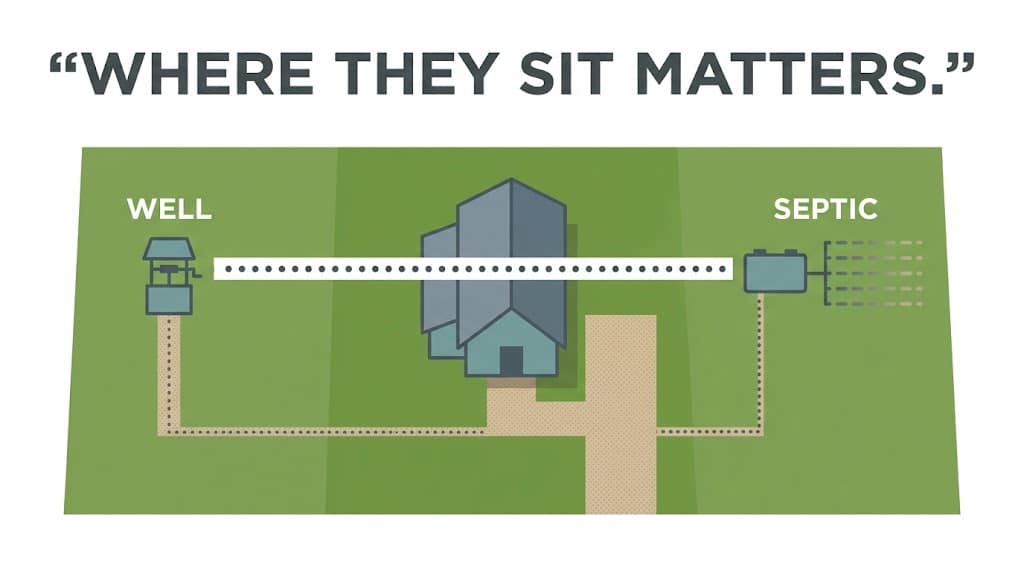
On a rural property, the well and the septic system share the same land. Where each one sits matters, both for protecting the water supply and for maintenance access.
Separation distances between wells and septic components may be regulated. If you have questions about a property’s layout, check with the local permitting authority. It’s also smart to know exactly where your well, septic tank, and dispersal area are, so you can keep vehicles, heavy equipment, and new construction away from them.
When the Power Goes Out
City water keeps flowing during most power outages. A private well usually doesn’t, because the pump needs electricity. Aerobic septic systems also rely on power for their treatment components.
So plan ahead for outages:
- Keep some drinking water stored.
- Limit water use during an outage, especially with an aerobic system.
- If you plan to power the well with a generator, have a licensed electrician install a proper transfer switch.
For generator safety and storm preparation, see our guide to preparing your home for hurricane season.
Well Signs Worth Noticing
As an owner, you’ll get to know how your well system normally behaves. Changes worth paying attention to include:
- Drops in water pressure
- Sputtering faucets or air in the lines
- A pump that seems to run or cycle more often than usual
- Changes in water color, taste, or odor
Mechanical changes are a reason to call a licensed well or pump professional. Changes in the water itself are a reason to have it tested. Many health authorities also recommend testing well water after flooding before drinking it.
Septic Signs Worth Noticing
A septic system often gives clues before a bigger problem develops. Watch for:
- Slow drains in several fixtures
- Gurgling sounds in the plumbing
- Sewage odors indoors or outdoors
- Soggy or unusually green areas over the dispersal area
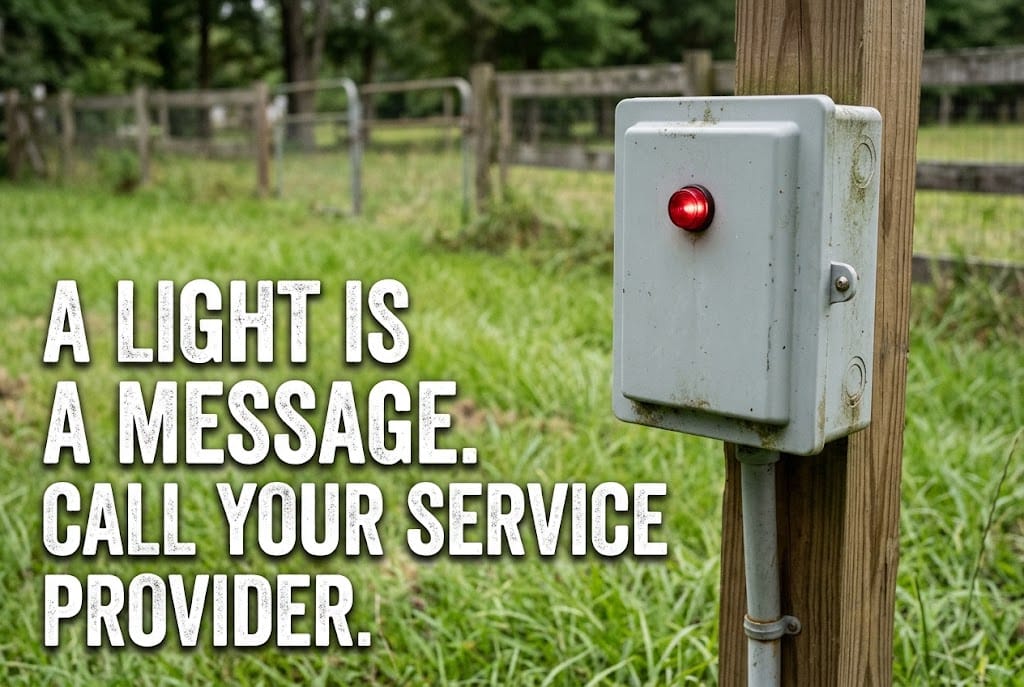
- An alarm light or sound on an aerobic system’s control panel
If you notice any of these, contact a qualified septic professional or your aerobic service provider.
Inspector Hindsight: “A red light on the septic panel isn’t decoration. It’s a phone call.”
Everyday Septic Habits
A few simple habits help a septic system do its job:
- Flush only toilet paper. Avoid wipes, even ones labeled “flushable.”
- Keep grease, oils, and harsh chemicals out of the drains.
- Spread out water use, such as laundry loads, rather than doing it all at once.
- Keep vehicles and heavy equipment off the tank and dispersal area.
- Don’t plant trees or large shrubs over or near septic components.
- Ask a septic professional about the right pumping and maintenance schedule for your system.
For aerobic systems, keep up with any required maintenance and service agreements.
What an Inspection Can’t Do
An inspection is limited to visible and accessible conditions within the agreed scope. A well inspection can’t see down the well or determine water quality without laboratory testing. A standard home inspection doesn’t replace a dedicated septic evaluation, and it doesn’t evaluate how well water treatment equipment is working.
Instead, it gives you better information and points you to the right specialists. For other rural property questions, see our guide to buying a home in Hempstead, TX. For soil and drainage, see understanding expansive clay soils in Waller County.
Captain Obvious: “Never had a problem with the septic. Never touched it.”
Inspector Hindsight: “Those two facts might be related.”
Captain Obvious: “It was obvious.”
Inspector Hindsight: “Until it wasn’t.”
Waller County Well and Septic FAQs
Does a home inspection check water softeners and filters?
An inspection may note that treatment equipment is present, along with visible leaks. Evaluating how well it works typically requires a water treatment professional.
Will my well work during a power outage?
Usually not, because the pump needs electricity. A licensed electrician can install a transfer switch if you plan to use a generator.
How far apart should a well and septic system be?
Separation distances may be regulated. Check with the local permitting authority for requirements.
What are signs of septic trouble?
Slow drains, gurgling, odors, soggy areas over the dispersal area, and alarm lights on aerobic systems are all worth a call to a septic professional.
How often should a septic system be pumped?
It depends on the system and household. Ask a septic professional for a schedule that fits your system.
Schedule Your RedFish Inspection
Buying a rural home in western Waller County? Understand the house, and the systems you’ll be living with, before you close.
Schedule your RedFish home inspection, or call (866) 218-6699 to confirm services and availability in your area.
RedFish Inspections
Inspecting To A Higher Standard.

