

Buying rural property near Winnie or Stowell? A Winnie well and septic inspection helps you understand the systems a country home depends on, especially on properties that have been in use, and in the family, for a long time.
In eastern Chambers County, rural homes often sit on open farmland with shops, barns, and decades of history. That history can mean more than one well, systems installed before the house was expanded, and records that are hard to find. So the questions go beyond “does the water run?”
Captain Obvious: “Water runs, toilets flush. The systems are fine.”
Inspector Hindsight: “Which well is that water coming from?”
The Basics of a Well and Septic Inspection
A well inspection evaluates the visible and accessible parts of the well system and how it operates. That can include the well housing, visible components, plumbing, valves, the pressure tank, limited water-pressure testing, and pump operation. Water quality requires separate laboratory testing, and septic evaluation is typically a specialized service.
For more on well function versus water quality, conventional and aerobic septic systems, and records to request, see our guide to well and septic inspections for rural properties.
More Than One Well on the Property
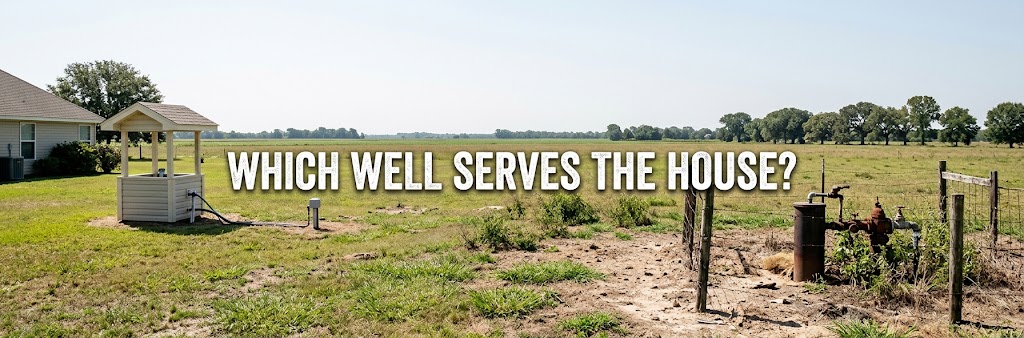
Farm and ranch properties sometimes have more than one well. For example, there may be a household well near the house and older wells out in the pasture that were used for livestock or irrigation.
So the first question is simple: which well serves the house? Ask the seller to show you each well, explain what it’s used for, and share any records. If a well isn’t connected to the home, a standard well inspection typically won’t evaluate it. Confirm the scope before inspection day.
Unused and Abandoned Wells
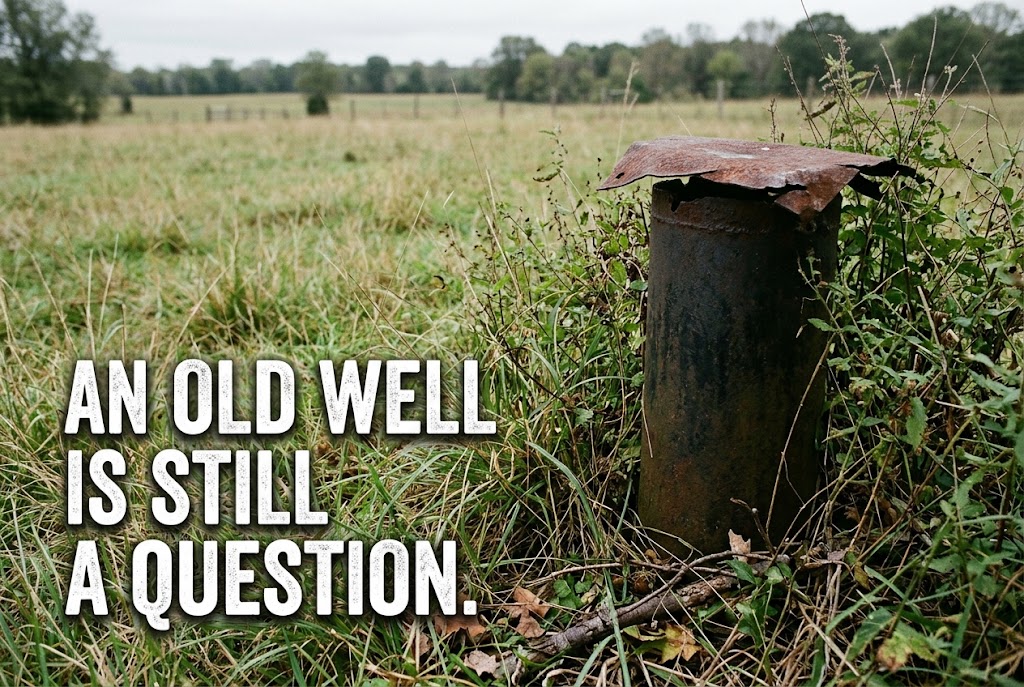
An old well that’s no longer in use is still worth attention. An open or poorly covered well can be a physical hazard to people and animals, and it can also give surface water a path to groundwater.
Rules may apply to unused or abandoned wells. So if a property has one, ask a licensed well professional about its condition and what, if anything, should be done. A home inspection doesn’t evaluate unused wells or determine whether they meet any requirements.
Inspector Hindsight: “An old well isn’t just a piece of history. It’s still a hole in the ground.”
When the House Has Outgrown the Septic System
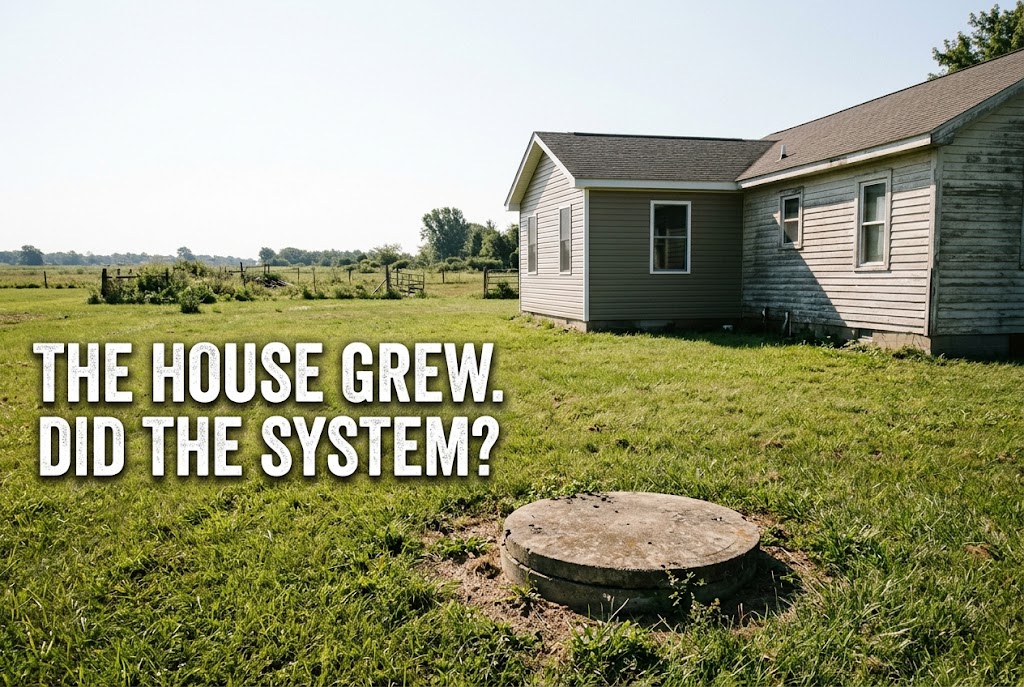
On long-held properties, the house has sometimes grown over the years, with new bedrooms, bathrooms, or an addition. However, the septic system may still be the one installed for the original house.
Septic systems are often designed around a home’s expected use. So if the house has been expanded, it’s worth asking whether the system was updated too. A qualified septic professional can help evaluate whether the existing system fits the home as it stands today.
Long-Held Properties and Missing Records
When a property has been owned by the same family for decades, records for the well and septic system may be incomplete or missing. That’s common, and it’s not automatically a red flag.
However, missing records mean more questions to ask:
- When was the well drilled, and has the pump been replaced?
- When was the septic system installed, and when was it last pumped?
- Has either system ever been repaired?
- Has the well water ever been tested?
In Texas, septic systems are regulated as on-site sewage facilities, so permit records may be available through the local permitting authority. If records can’t be found, specialist evaluations become even more useful.
Shops, Barns, and Outbuildings
Rural properties often include shops, barns, or other buildings with their own water lines, sinks, or restrooms. Some may connect to the house’s well or septic system.
A standard home inspection may not include outbuildings or their plumbing. So confirm what’s included, and ask the seller which buildings share the well or septic system.
Wet Seasons on Flat Land
The land around Winnie and Stowell is generally flat, and heavy rain can leave soil saturated. That can affect how a septic system performs, and it’s another reason to notice where wellheads sit relative to low spots.
For more, see our guide to flood awareness and drainage on the Gulf Coast. For foundation questions on rural homes, see our guide to foundation movement in Chambers County.
Questions to Ask Before Closing
- How many wells are on the property, and which one serves the house?
- Are there any unused wells, and where are they?
- Has the house been expanded since the septic system was installed?
- Do any outbuildings share the well or septic system?
- What records exist for either system?
- When was the well water last tested?
- Which evaluations have I ordered, and which questions still need a specialist?
What an Inspection Can’t Do
An inspection is limited to visible and accessible conditions within the agreed scope. A well inspection can’t see down the well, evaluate wells not connected to the home, or determine water quality without laboratory testing. A standard home inspection doesn’t replace a dedicated septic evaluation, and it doesn’t evaluate unused wells or outbuildings outside its scope.
Instead, it gives you better information and points you to the right specialists. For help prioritizing findings, see our guide to home inspection red flags. For next steps, see what happens after a home inspection.
Captain Obvious: “The family’s lived here 40 years. Everything works.”
Inspector Hindsight: “Forty years of working is good news. Let’s see what it looks like today.”
Captain Obvious: “It was obvious.”
Inspector Hindsight: “Until it wasn’t.”
Winnie and Stowell Well and Septic FAQs
What if a property has more than one well?
Find out which well serves the house, and confirm which wells are included in the inspection scope.
Are old, unused wells a concern?
They can be a safety and contamination concern. Ask a licensed well professional about their condition.
What if the house was expanded after the septic system was installed?
Ask whether the system was updated. A qualified septic professional can evaluate whether it fits the home as it stands today.
What if there are no records for the well or septic system?
That’s common on long-held properties. Check with the local permitting authority for septic records, and consider specialist evaluations.
Does a home inspection include shops and barns?
Not necessarily. Confirm the scope, and ask which buildings share the well or septic system.
Schedule Your RedFish Inspection
Buying rural property near Winnie or Stowell? Understand the house, and the systems behind it, before you close.
Schedule your RedFish home inspection, or call (866) 218-6699 to confirm services and availability in your area.
RedFish Inspections
Inspecting To A Higher Standard.

