
Why Should I Have a Mold Inspection When Purchasing a Home?
At a Glance: Why Inspect for Mold?
- Mold often hides behind walls or under floors where standard inspections can’t see.
- It can cause serious respiratory and allergy issues for your family.
- Catching it before closing can save you thousands in remediation and repairs.
Buying a home is exciting — new space, new memories, new beginnings. But there’s one thing you don’t want tagging along unnoticed: mold.
One of the most common questions we hear at Redfish Inspections is:
“Do I really need a mold inspection when buying a home?”
Short answer: Yes.
Long answer: Let’s break down why a mold inspection can protect your health, your wallet, and your peace of mind.
Mold Isn’t Always Visible (That’s the Problem)
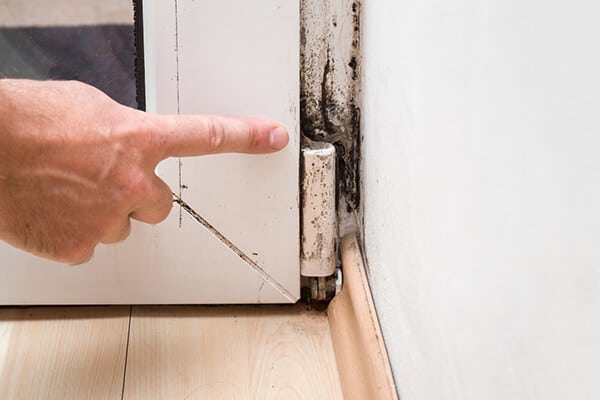
Mold loves dark, damp places — behind walls, under flooring, inside attics, and around HVAC systems. Just because a home looks clean doesn’t mean mold isn’t present.
A professional mold inspection helps identify:
- Hidden moisture issues
- Areas prone to mold growth
- Air quality concerns you can’t see
Without proper testing, mold can quietly grow long after you’ve moved in.
Mold Can Impact Your Health
Mold exposure isn’t just a cosmetic issue — it can be a health concern, especially for children, seniors, people with asthma or allergies, and anyone with a weakened immune system.
Common symptoms linked to mold exposure include headaches, respiratory issues, skin irritation, and persistent allergy-like symptoms. Knowing what’s in the air before you buy gives you a chance to act.
Mold Problems Can Be Expensive
Mold remediation isn’t cheap — especially when it’s been growing undetected. A mold inspection can prevent costly post-purchase surprises, help you negotiate repairs or credits, and stop small moisture issues from becoming major renovations. Spending a little upfront can save you thousands later.
Mold Often Signals Bigger Problems
Mold usually isn’t the root issue — it’s a symptom. Where there’s mold, there’s often roof leaks, plumbing leaks, poor drainage, or improper ventilation.
At Redfish Inspections, we don’t just identify mold concerns — we help you understand why it’s there and what needs attention. We focus on identifying moisture sources, testing indoor air quality when needed, and explaining results in plain English. No scare tactics. Just honest answers.
Mold Inspection Q&A for Homebuyers
| Question | Answer |
|---|---|
| 1. Is mold common in homes? | Yes — especially in humid climates and homes with past or current moisture issues. |
| 2. Can a standard inspection find mold? | A standard inspection may identify conditions conducive to mold, but specialized testing confirms what’s actually present. |
| 3. Should I walk away if mold is found? | Not necessarily. Many mold issues are fixable — the key is knowing about them before closing. |
| 4. Is testing required to buy a home? | No, but it’s strongly recommended if there are moisture concerns or visible staining. |
| 5. When is the best time to inspect? | During your standard home inspection period, before final negotiations and closing. |
Final Thoughts
A mold inspection isn’t about being paranoid — it’s about being prepared. When you’re making one of the biggest investments of your life, hidden mold shouldn’t be part of the deal. If you want confidence in the air you’ll be breathing and the home you’re buying, Redfish Inspections is here to help.
