

A Trinity Bay waterfront home inspection starts like any other: understand the visible and accessible condition of the house before you buy. However, waterfront property along Trinity Bay often looks different from busier bay shorelines.
Trinity Bay is the northeast arm of Galveston Bay, and much of its waterfront is quieter and more rural. Buyers may find natural shorelines instead of bulkheads, older bay cabins that have been raised or expanded, and second homes that sit empty for weeks at a time. Each of those raises its own questions.
Captain Obvious: “Quiet bay, small cabin, nothing complicated.”
Inspector Hindsight: “Small cabins can have long histories.”
Trinity Bay Waterfront Is Often Different
Compared with more developed bay shorelines, Trinity Bay waterfront properties may be more likely to have:
- Natural banks and marsh edges instead of bulkheads
- Older bay cabins or fishing camps, sometimes updated over decades
- Raised homes on pilings in a rural setting
- Private wells and septic systems
- Seasonal or part-time use
So a Trinity Bay waterfront home inspection focuses on the house itself, while helping you identify which shoreline and system questions need other professionals. For a full breakdown of the house side, see what is checked during a home inspection.
Natural Shorelines and Marsh Edges
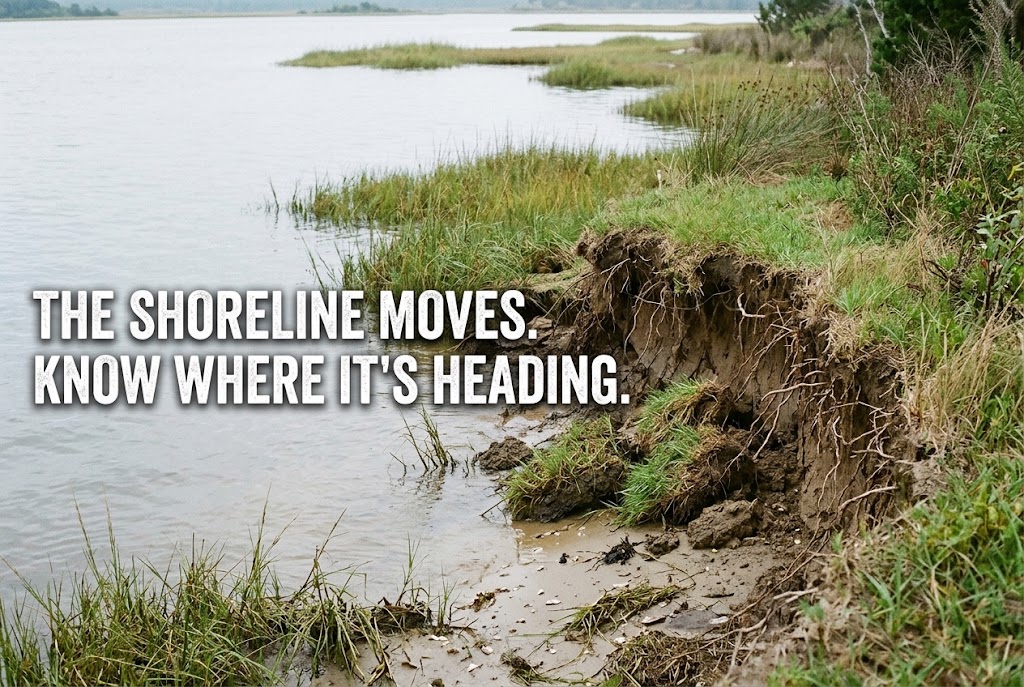
A natural shoreline can be one of the most appealing parts of a bay property. However, natural banks can shift over time as water undercuts the edge and soil slumps toward the bay.
Clues worth noticing include undercut banks, exposed roots, slumping sod, and how close the shoreline sits to the house, decks, or other structures. Ask the seller how the shoreline has changed over the years.
Shoreline stabilization, wetlands, and work near the water can involve specific rules and permits. So bring those questions to the appropriate authorities and qualified shoreline professionals. A home inspection doesn’t evaluate shoreline stability.
Docks, Piers, and Bulkheads
If the property has a dock, fishing pier, bulkhead, or boat lift, those structures are usually outside the scope of a standard home inspection. They typically need evaluation by a marine contractor, structural engineer, or other qualified professional.
For more on shoreline structures, dock electrical, and who to call for what, see our guide to waterfront home inspections near Galveston Bay.
Older Bay Cabins, Camps, and Raised Homes
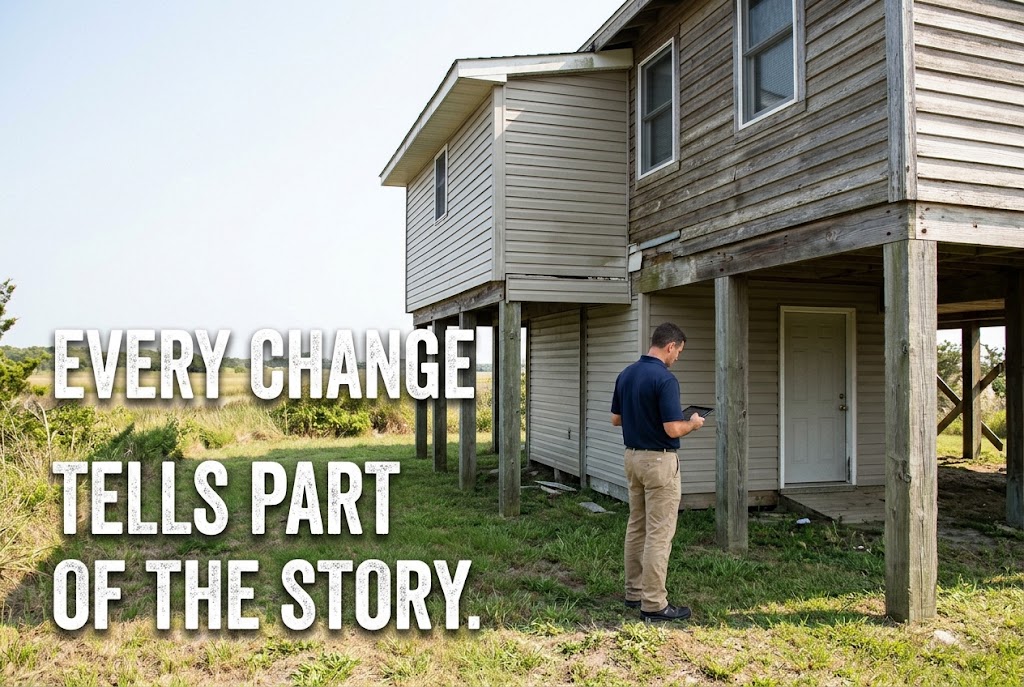
Many older bay properties started as simple cabins or fishing camps. Over the years, some have been raised onto pilings, had the space beneath them enclosed, or gained additions and porches.
Each change creates transitions worth a closer look. An inspector may observe:
- Visible pilings, beams, bracing, and connections beneath the house
- Where additions meet the original structure
- Roofline and flashing transitions
- Exterior stairs, landings, and railings
- Enclosed areas beneath the house and how they’re used
Enclosed spaces beneath raised homes can raise questions about how they were built and permitted, especially in flood-prone areas. So ask for records, and check with the local floodplain office if questions come up. For more on elevated homes and salt air, see our guide to coastal home maintenance on the Gulf Coast.
Second Homes and Seasonal Use
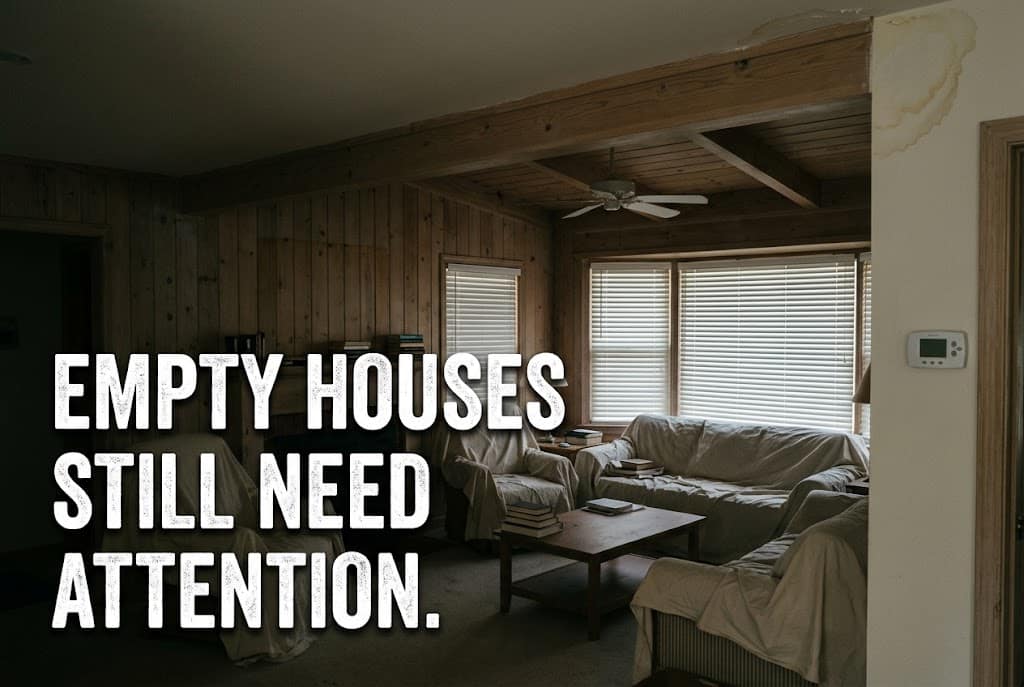
Many bay properties are weekend or seasonal homes. A house that sits empty for long stretches faces a few specific challenges:
- Humidity: In a closed-up house on the Gulf Coast, moisture can build up without regular air conditioning or dehumidification.
- Unnoticed leaks: A small plumbing or roof leak can run for weeks before anyone sees it.
- Storm effects: Wind or rain damage may not be discovered until the next visit.
Helpful habits include keeping humidity under control while you’re away (ask an HVAC professional about the right settings), considering whether to shut off the main water supply during long absences, arranging periodic check-ins, and looking closely for new staining or odors on each visit.
When buying a second home, an inspection can also document visible clues of past moisture that may have gone unnoticed while the house sat empty.
Inspector Hindsight: “An empty house can’t tell you when something goes wrong. That’s why you check.”
Wells and Septic Near the Water
Rural bay properties may not be connected to city water and sewer. Instead, they may use a private well and septic system.
A well inspection can evaluate the visible well system and its operation, while water quality requires separate laboratory testing. Septic evaluation is typically a specialized service. For more, see our guide to well and septic inspections for rural properties.
Flood, Insurance, and Records
Waterfront properties naturally raise flood questions. A home inspection doesn’t determine flood zone, flood history, or flood risk. Those answers come from FEMA flood maps, elevation certificates, your insurance agent, and property records.
So ask the seller for any records of repairs, raising, additions, storm damage, and insurance claims. For more, see our guides to flood awareness and drainage on the Gulf Coast and preparing your home for hurricane season.
What a Home Inspection Can’t Do
A home inspection is visual and limited to accessible conditions within scope. It can’t evaluate shoreline stability, certify docks or bulkheads, verify permits, determine flood risk, guarantee every concealed condition will be found, or predict future performance. It also doesn’t decide whether you should buy the property.
Instead, it gives you better information about the house and points you toward the right specialists for everything else. For help prioritizing findings, see our guide to home inspection red flags.
Captain Obvious: “Perfect fishing spot. Perfect house.”
Inspector Hindsight: “Perfect fishing spot. Let’s check the house separately.”
Captain Obvious: “It was obvious.”
Inspector Hindsight: “Until it wasn’t.”
Trinity Bay Waterfront Home Inspection FAQs
Does a home inspection evaluate the shoreline?
No. Shoreline stability, erosion, and wetland questions belong with the appropriate authorities and shoreline professionals.
Are docks and bulkheads included in a home inspection?
Usually not. They typically need evaluation by a marine contractor or structural engineer.
What should I check on an older raised bay cabin?
Pay attention to visible pilings and connections, where additions meet the original structure, stairs and railings, and any enclosed areas beneath the house.
Do second homes need special attention?
Yes. Homes that sit empty can build up humidity and hide leaks, so look for visible clues of past moisture and plan for check-ins.
Can a home inspection tell me the flood risk of a bay property?
No. Flood risk questions belong with FEMA flood maps, elevation certificates, and your insurance agent.
Schedule Your RedFish Home Inspection
Buying a waterfront property near Trinity Bay? Understand the house, and know which shoreline questions to ask next.
Schedule your RedFish home inspection, or call (866) 218-6699 to confirm service in your area.
RedFish Inspections
Inspecting To A Higher Standard.

