

Buying a home in Hempstead, TX? A Hempstead TX home inspection helps you understand the house, and the property around it, before you commit. Northwest of Houston along US 290, Hempstead offers a mix of small-town older homes, rural acreage, and newer construction.
Rural Texas also brings property types that suburban buyers may not see often, such as barndominiums, propane systems, manufactured homes, and private wells and septic systems. Each comes with its own questions, so it helps to know them before inspection day.
Captain Obvious: “Country house, big lot, simple.”
Inspector Hindsight: “Country houses come with more systems, not fewer.”
What a Hempstead TX Home Inspection Covers
A home inspection evaluates visible and accessible conditions within scope, including the roof, exterior, structure, plumbing, electrical, heating and cooling, attic, interior, and drainage around the house.
On rural properties, though, some features may fall outside a standard inspection. So confirm what’s included before inspection day. For a full breakdown, see what is checked during a home inspection.
Small-Town Older Homes
Older homes in and around town may have original components alongside decades of updates, such as older wiring, plumbing materials from different eras, and renovations of varying quality.
For a closer look at what “older” can mean, see our guide to what buyers should know about older homes. For electrical findings, see electrical defects home inspectors flag.
Rural Acreage: What’s in Scope and What Isn’t
Acreage properties often include more than just a house. Common features include:
- Shops, barns, and detached garages
- Gravel or long concrete driveways
- Fencing, gates, and pens
- Outdoor water lines and hydrants
- Ponds or drainage features
Many of these fall outside a standard home inspection. So confirm the scope, and ask the seller about the age, condition, and any repairs for features that matter to you.
Barndominiums and Metal-Building Homes
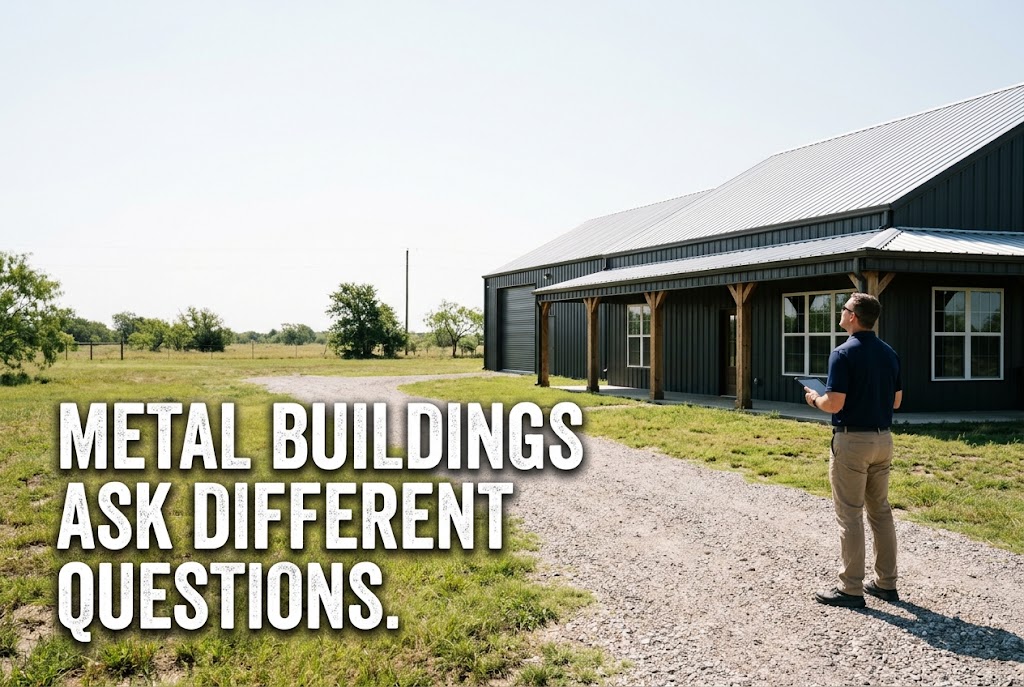
Barndominiums and other metal-building homes are popular in rural Texas. They can be efficient and durable, but they raise a few questions that conventional homes don’t:
- Condensation: When warm, humid air meets cooler metal, moisture can form. So insulation and vapor control matter.
- Roof fasteners: Metal roofs rely on many screws and washers, which can loosen or wear over time.
- Transitions: Where metal walls or roofs meet conventional framing, porches, or additions, details deserve attention.
- Shop and living space together: Attached shop bays may have their own electrical, ventilation, and fire-safety questions.
An inspector evaluates visible and accessible conditions. However, insulation and framing behind finished walls usually aren’t visible. For roof details, see what inspectors check on your roof.
Propane Systems
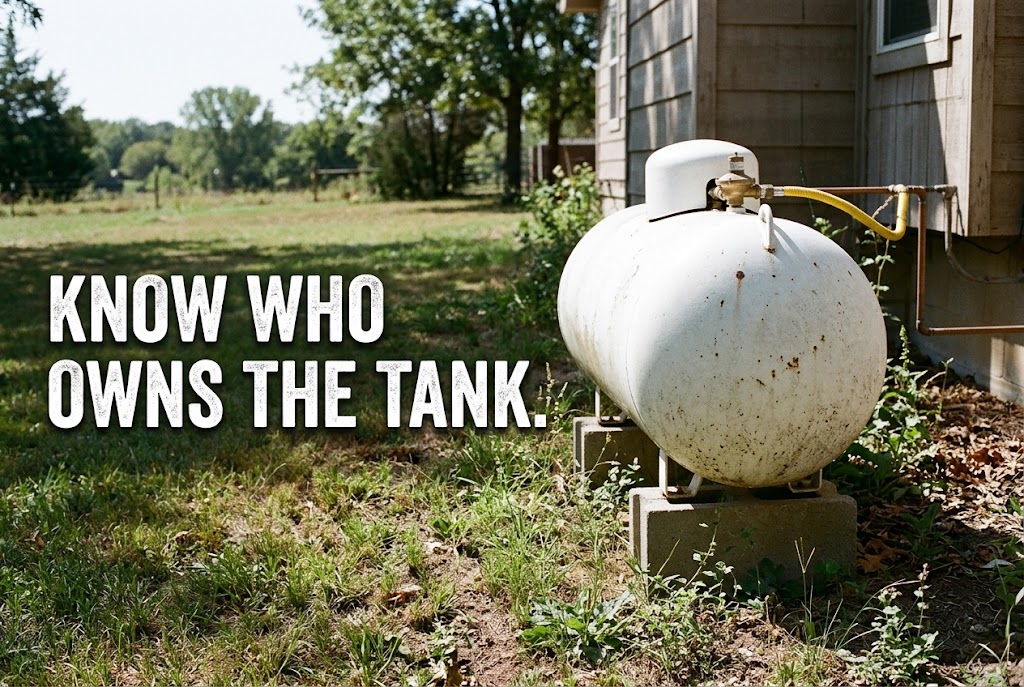
Many rural homes use propane for heating, water heating, cooking, or a fireplace. If the property has a propane tank, ask:
- Who owns the tank? Some tanks are owned by the homeowner, while others are leased from a supplier. Leased tanks are typically filled only by the company that owns them.
- Who’s the supplier, and when was the system last serviced or checked?
- Which appliances run on propane?
A home inspection may evaluate visible gas appliances and accessible piping within scope. However, the tank itself is typically outside the inspection, so ask the propane supplier about its condition. If you ever smell gas, leave the area and call the gas supplier or 911 from a safe distance. Homes with gas appliances should also have working carbon monoxide alarms.
Inspector Hindsight: “Propane is a great fuel. It’s also a great reason to know your supplier’s phone number.”
Manufactured Homes
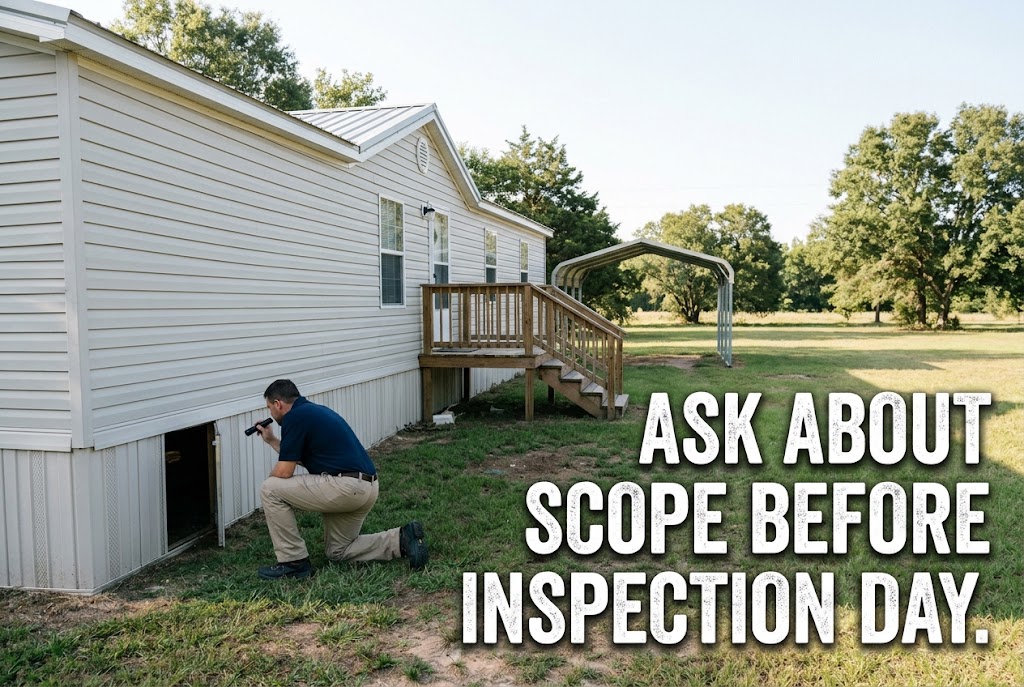
Manufactured homes are common on rural lots. If you’re buying one, ask about the inspection scope before inspection day, since some aspects may need a specialist.
For example, the support and anchoring system beneath the home, the skirting area, and the connections between sections in a multi-section home can raise specific questions. Lenders and insurers may also have their own requirements for manufactured homes, so ask your lender and real estate professional early.
Wells and Septic Systems
Rural properties may rely on a private well and septic system instead of city utilities. A well inspection can evaluate the visible well system and its operation, while water quality requires separate laboratory testing. Septic evaluation is typically a specialized service.
For more, see our guides to well and septic inspections for rural properties and well and septic questions on long-held rural properties.
New Construction
Growth northwest of Houston has brought new homes to the area. A new home still benefits from an independent inspection, because “new” describes age, not guaranteed condition.
For more, see our overview of new construction home inspections and our guide to the 11-month warranty inspection.
Drainage and Clay Soils
Much of the region has clay soils that react to moisture, and heavy rain is common. So drainage around the house and across the lot matters.
An inspector may observe grading, gutters, downspout discharge, and low spots near the house. For more, see our guides to foundation movement on expansive soils and flood awareness and drainage.
What a Home Inspection Can’t Do
A home inspection is visual and limited to accessible conditions within scope. It can’t see inside walls or underground, evaluate propane tanks or outbuildings outside its scope, determine water quality or flood risk, guarantee every concealed condition will be found, or predict future performance. It also doesn’t decide whether you should buy the property.
Instead, it gives you better information. For help prioritizing findings, see our guide to home inspection red flags. For next steps, see what happens after a home inspection.
Captain Obvious: “Metal building, metal roof. Nothing to rot.”
Inspector Hindsight: “Metal doesn’t rot. It sweats, rusts, and loosens. Let’s look.”
Captain Obvious: “It was obvious.”
Inspector Hindsight: “Until it wasn’t.”
Hempstead TX Home Inspection FAQs
Does a home inspection cover barns and shops on acreage?
Not necessarily. Outbuildings may fall outside a standard home inspection, so confirm the scope.
What should I check on a barndominium?
Pay attention to condensation and insulation, metal roof fasteners, and transitions between metal and conventional construction.
Does a home inspection include the propane tank?
The tank itself is typically outside the inspection. Ask the propane supplier about its condition and service history.
Can a manufactured home be inspected?
Yes, but ask about the scope first. Support and anchoring systems may need a specialist, and lenders may have their own requirements.
What if the property has a well and septic system?
A well inspection evaluates the visible system and its operation. Water quality and septic evaluation are typically separate services.
Schedule Your Hempstead Home Inspection
Buying in Hempstead, TX? Understand the house, and everything around it, before you close.
Schedule your RedFish home inspection, or call (866) 218-6699 to confirm service in your area.
RedFish Inspections
Inspecting To A Higher Standard.

